Europe Considers Navigation Fees for Strategic Strait of Hormuz
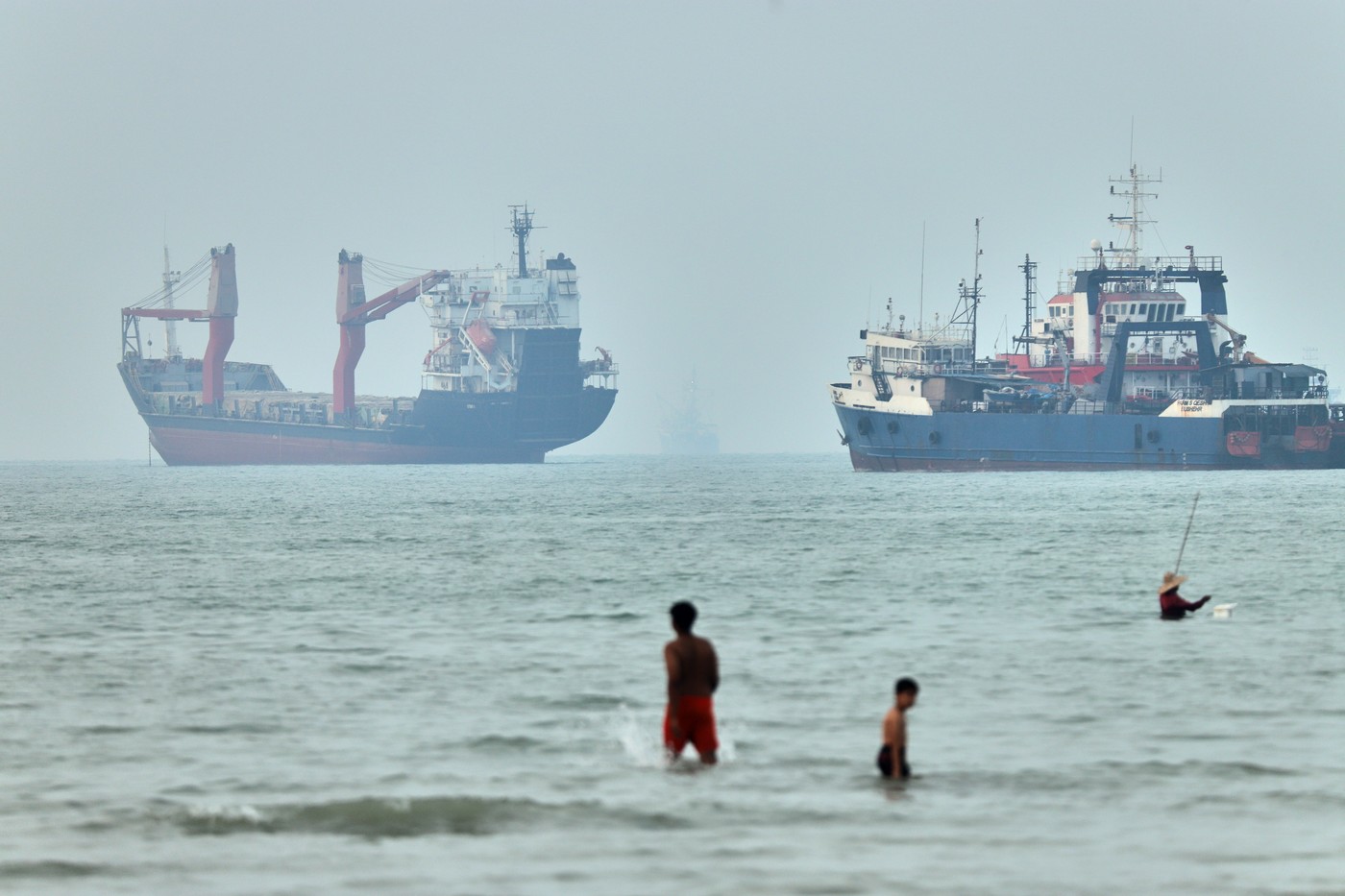
European nations are exploring the possibility of introducing navigation fees for services within the Strait of Hormuz, a critical global maritime trade route. These potential fees are not intended to be mandatory and would require the endorsement of the International Maritime Organization (IMO), the United Nations agency responsible for regulating shipping. The discussions are ongoing and aim to establish a framework for managing maritime traffic and services in this vital waterway. The Strait of Hormuz is a chokepoint for a significant portion of the world's oil supply, making its security and efficient navigation paramount. The proposed fees could contribute to enhanced security measures and navigational aids, ensuring the continued smooth flow of international commerce. This initiative reflects a broader European interest in securing key global trade routes and potentially sharing the costs associated with their maintenance and safety. The IMO's involvement is crucial for ensuring international compliance and standardization of any such fee structure. Further details on the proposed fee levels and the specific services they would cover are expected to emerge as discussions progress.
The consideration of navigation fees for the Strait of Hormuz by European states signifies a strategic shift towards potentially influencing global maritime logistics and resource flows. This initiative, if realized, could establish a precedent for user-pays models in critical international waterways, impacting shipping costs and potentially trade dynamics. The reliance on IMO approval highlights the complex governance structures governing international commons and the need for multilateral consensus. From a systems perspective, such fees could incentivize enhanced security and navigational infrastructure, but also raise questions about equitable access and potential trade barriers, particularly for developing nations. In the context of evolving geopolitical landscapes and increasing demand for secure energy transit, this proposal warrants scrutiny regarding its long-term implications for global trade efficiency and international cooperation.
AI-generated to prompt reflection — not editorial opinion, not advice, not a statement of fact. How this works.