Europe Criticizes Infantino's FIFA Plan, Threatens Boycott
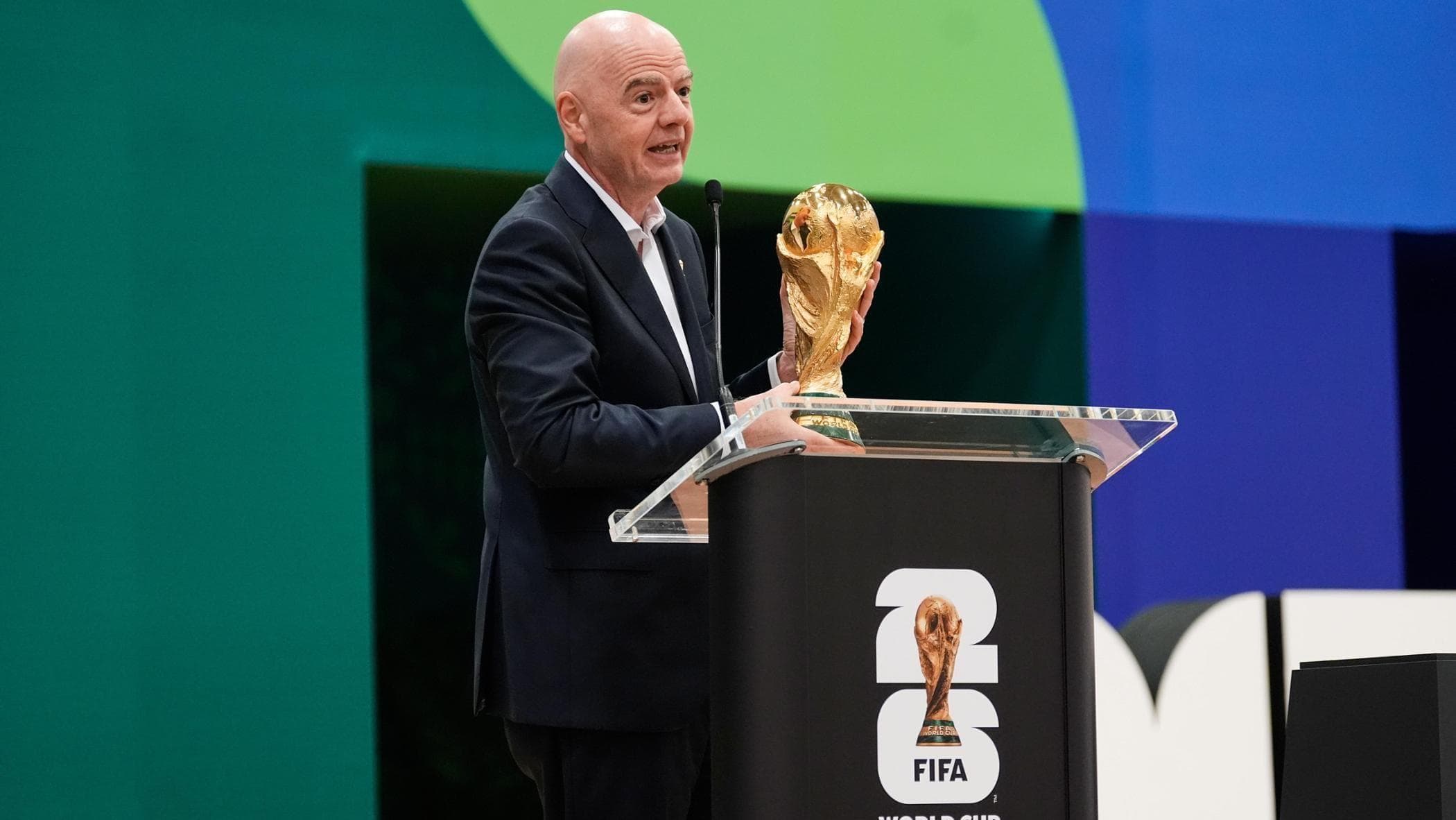
European football authorities, the European Union, and national governments have voiced strong opposition to FIFA President Gianni Infantino's strategic plan. This plan reportedly involves opening up FIFA to private investors and has drawn criticism for potentially benefiting the Trump family. The Uefa, the EU, and various governments are united in their stance against what they perceive as FIFA enriching itself under Infantino's leadership. Concerns have been raised about the transparency and fairness of the proposed business model. In response to these developments, there is speculation that a boycott of the upcoming FIFA World Cup could be considered. This potential boycott highlights the deep divisions and significant disagreements between European stakeholders and FIFA's current direction. The criticism centers on the perceived shift of FIFA's focus from sporting development to commercial gain, potentially at the expense of the sport's integrity.
The current dispute between European entities and FIFA's leadership over its strategic financial plans highlights a fundamental tension between global sports governance and regional sporting interests. FIFA's proposed engagement with private investors and potential commercial partnerships, while framed as a means for growth, raises questions about governance structures and the distribution of revenue. European stakeholders appear concerned that such a model could prioritize financial returns over the equitable development of football globally. This situation invites scrutiny into the incentive structures driving FIFA's decisions and whether they align with the long-term health and accessibility of the sport across diverse economic regions. The threat of a boycott signals a potential recalibration of power dynamics, pushing for greater transparency and accountability in how global sporting bodies manage their assets and strategic direction in the coming decade.
AI-generated to prompt reflection — not editorial opinion, not advice, not a statement of fact. How this works.