Europe Experiences Hottest June on Record Amidst Advancing Heatwave
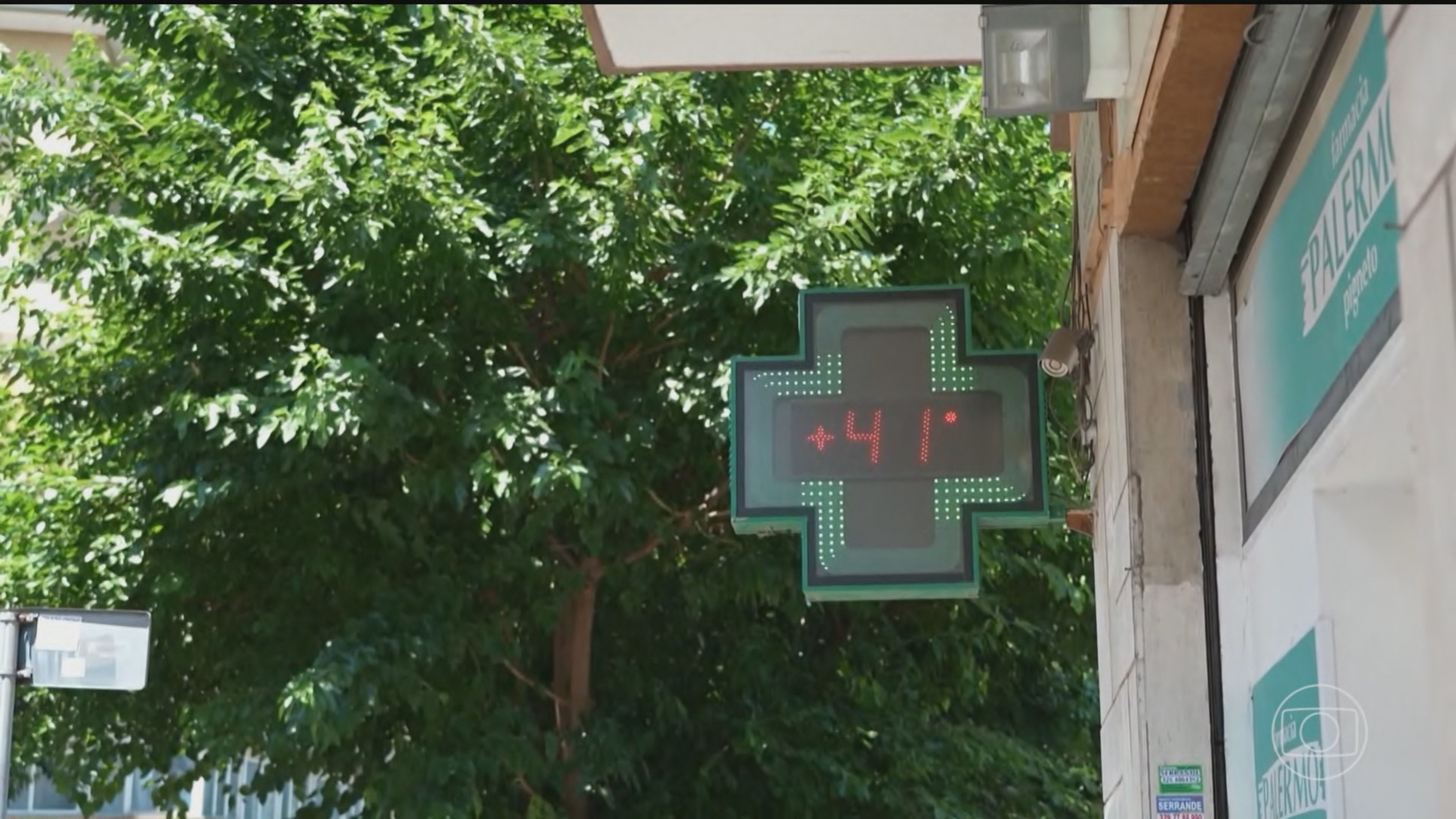
June has been recorded as the hottest June in history for European countries, with a new heatwave currently progressing across the continent. This extreme summer heat is no longer just a meteorological concern but is increasingly recognized as a public health issue. Data from the European Copernicus observatory indicates that Western Europe experienced its warmest June since records began. Globally, this past June was the second hottest on record, surpassed only by June 2024. The elevated temperatures have had severe health consequences, with over 5,000 deaths in Germany attributed to the heat since April. France, Spain, Belgium, and the Netherlands collectively registered approximately 4,700 excess deaths above the average. Several regions, including parts of Italy, France, and the United Kingdom, are on high alert due to the ongoing heatwave, with temperatures in Rome potentially reaching 40°C. Barcelona has already set a new 112-year record, hitting 40.7°C on Wednesday, July 8th. The European Commission has confirmed the advance of this new heatwave. Portugal and France have requested assistance from European civil defense to bolster efforts against forest fires. European cities, hospitals, and services are discussing adaptation strategies for a climate where extreme heat is becoming the norm rather than an exception. In Rome, initiatives involving volunteers visiting vulnerable elderly residents who live alone are providing essential support, including supplies and social connection, to help them cope with the intense heat and isolation.
The data highlights a significant trend of escalating extreme weather events in Europe, with June's record-breaking heat underscoring the tangible impacts of climate change. This situation necessitates a systemic response, moving beyond reactive measures to proactive adaptation strategies for urban planning, public health infrastructure, and emergency services. The reliance on civil defense for wildfire management and the ad-hoc support for vulnerable populations reveal potential gaps in long-term resilience planning. As heatwaves become more frequent and intense, the challenge for European nations will be to integrate climate adaptation into core governance and investment frameworks, ensuring that infrastructure and social support systems can withstand future climatic pressures. This requires anticipating the evolving needs of a population facing a new climate reality and fostering community resilience in the face of systemic environmental shifts.
AI-generated to prompt reflection — not editorial opinion, not advice, not a statement of fact. How this works.