Europe Faces Dark Times Amidst Global Conflicts
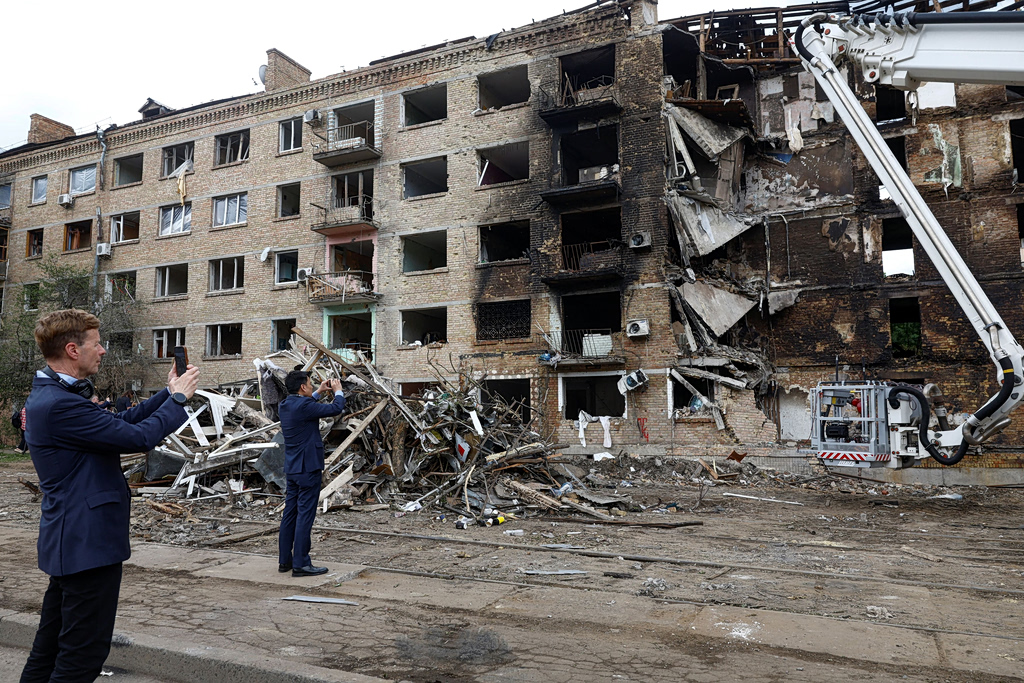
Europe is experiencing a period of significant turmoil, largely attributed to two major events. The first is Russia's invasion of Ukraine, an action with roots tracing back to the earlier abandonment of Crimea during the Obama administration, which was then swiftly annexed by Putin. The second catalyst for this difficult period is a brutal and deadly terrorist attack carried out by Hamas at an international music festival in Israel.
These events have cast a shadow over Europe, contributing to a sense of instability and crisis. The conflict in Ukraine, in particular, has far-reaching geopolitical and economic consequences that extend across the continent. The repercussions of the Hamas attack also add to the global climate of fear and uncertainty. Together, these incidents mark a challenging phase for Europe and the international community.
The current geopolitical landscape, marked by the invasion of Ukraine and the Hamas attack in Israel, presents complex challenges. These events highlight the interconnectedness of global security and the potential for regional conflicts to have widespread repercussions. Examining the underlying causes, such as historical territorial disputes and the motivations behind terrorist actions, is crucial for understanding the current instability. Looking ahead, the long-term implications for international relations, energy security, and humanitarian efforts will likely shape global dynamics for the next decade. Addressing these issues requires a multifaceted approach that considers diplomatic solutions, humanitarian aid, and strategies to prevent future escalations.
AI-generated to prompt reflection — not editorial opinion, not advice, not a statement of fact. How this works.