Europe Faces Dual Threat of Heatwaves and Strait of Hormuz Tensions
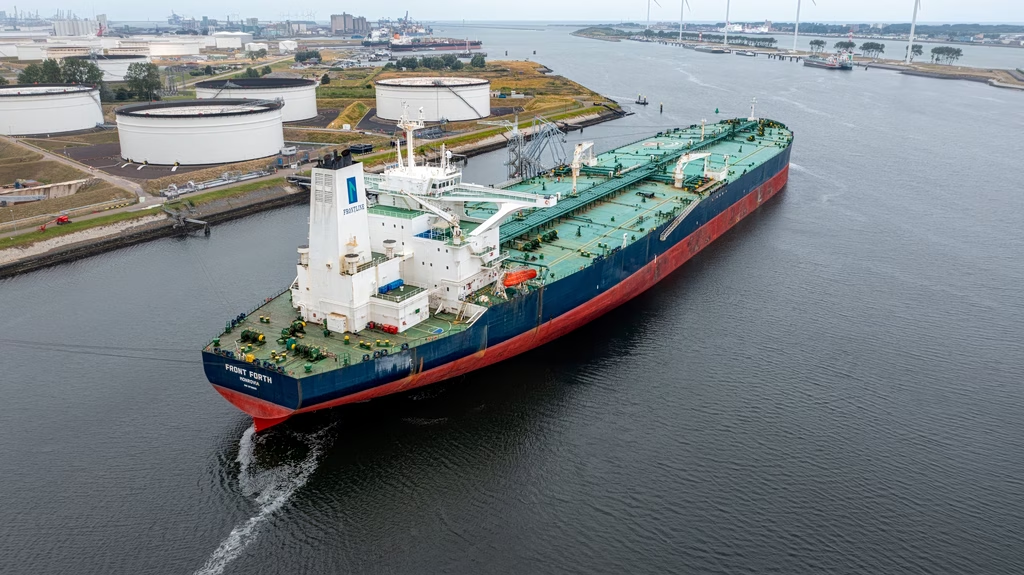
Europe is grappling with an alarming convergence of extreme heatwaves and potential geopolitical instability stemming from the Strait of Hormuz. The region is experiencing historically severe heat, straining energy grids and posing significant risks to public health. Simultaneously, escalating tensions in the Strait of Hormuz, a critical chokepoint for global oil supplies, raise concerns about potential disruptions to energy markets. This dual crisis creates an explosive cocktail, threatening widespread blackouts across the continent. The combination of climate change-induced heat and geopolitical volatility presents a complex challenge for European energy security and stability.
The confluence of extreme weather events driven by climate change and geopolitical flashpoints like the Strait of Hormuz highlights systemic vulnerabilities in global energy infrastructure. As heatwaves intensify, demand for cooling increases, placing unprecedented stress on power grids. Simultaneously, disruptions in critical maritime transit routes can lead to price volatility and supply shortages, exacerbating the strain on energy resources. This situation underscores the urgent need for diversified energy sources, enhanced grid resilience, and robust international cooperation to mitigate risks associated with both environmental and geopolitical instability. Future energy strategies must account for these interconnected challenges to ensure long-term security and sustainability.
AI-generated to prompt reflection — not editorial opinion, not advice, not a statement of fact. How this works.