Europe Faces Gas Shortage Risk as Winter Storage Lags Amid Hormuz Strait Concerns
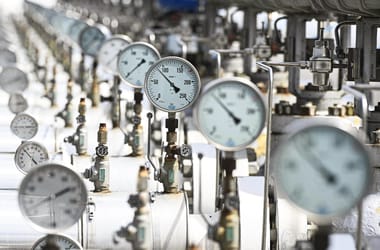
European Union gas storage levels have reached their lowest point in 15 years, mirroring a situation not seen since an American-Iranian conflict disrupted Persian Gulf trade for months. The current low levels are a direct consequence of the prolonged closure of the Strait of Hormuz, a critical shipping route. Some experts express concern that the recent reopening of the Strait has come too late to avert significant gas price increases this winter. The ongoing geopolitical tensions and their impact on energy supply chains are creating a precarious situation for Europe as it heads into the colder months. The reliance on stable energy imports is highlighted by this vulnerability. The situation underscores the interconnectedness of global trade and energy security, where regional conflicts can have far-reaching economic consequences.
The current low gas storage levels in the EU, exacerbated by disruptions in the Strait of Hormuz, highlight systemic vulnerabilities in Europe's energy security architecture. The prolonged reliance on external energy sources, coupled with geopolitical instability in key transit regions, creates significant price volatility risks. This situation necessitates a strategic re-evaluation of energy diversification and domestic production capabilities to mitigate future supply shocks. Over the next decade, the imperative to transition towards more resilient and sustainable energy systems will only intensify, driven by both climate goals and the need to insulate economies from geopolitical leverage.
AI-generated to prompt reflection — not editorial opinion, not advice, not a statement of fact. How this works.