Europe faces increased drought risk due to higher evaporation, not less rain
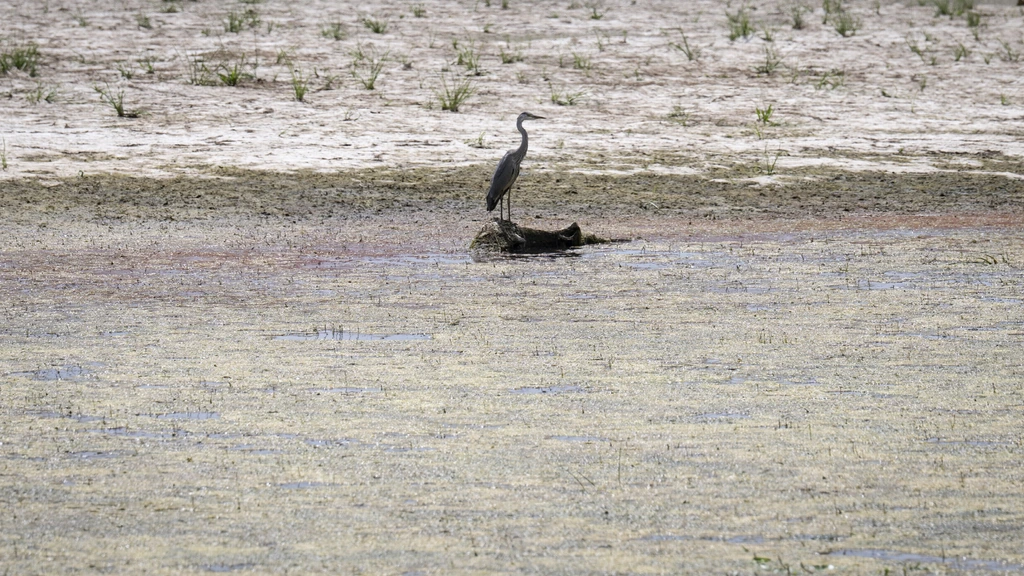
Large parts of Europe are experiencing severe drought conditions, with National Park Veluwezoom in the Netherlands noting July was drier than in the extreme drought years of 2018 and 2019. The Rhine and Danube rivers are exceptionally low, and harvests in countries like Hungary are suffering. This drought is linked to rising European temperatures, according to World Weather Attribution, a group of scientists studying the connection between extreme weather and climate change. They found that while summer rainfall hasn't significantly decreased, higher temperatures are causing substantially more evaporation.
This increased evaporation leads to faster soil drying, negatively impacting agriculture and natural ecosystems. While some regions like Spain, Portugal, and France had a wet winter, they quickly dried out. Eastern Europe has faced prolonged drought, contributing to the low river levels. In the Veluwezoom, conservationists are supplementing water sources for wildlife, a measure seen as symptomatic relief for animals whose access to rivers is blocked by development.
Scientists emphasize that while drought has always occurred, the rapid succession of dry years since 2018 leaves nature insufficient time to recover. The increased frequency and intensity of extreme weather events, such as heatwaves that were significantly warmer due to global warming, are becoming more evident. Research into drought attribution is more complex than for heatwaves, involving multiple factors like precipitation, soil moisture, and river levels, but the trend of increased evaporation due to rising temperatures is a direct consequence of climate change.
The analysis of European drought highlights a critical shift in climate impact: increased evaporation driven by rising temperatures, rather than a simple decrease in rainfall. This distinction is vital for understanding the evolving threat. While historical drought patterns are a natural phenomenon, the accelerated drying of soils due to higher evaporation rates, directly linked to anthropogenic warming, poses a novel challenge. This suggests that adaptation strategies must prioritize water management and ecosystem resilience in the face of persistently warmer conditions, even if precipitation levels remain variable. The rapid succession of dry years, as observed since 2018, indicates a reduced recovery window for natural systems, underscoring the need for long-term planning that accounts for this altered climate dynamic and its implications for biodiversity and agriculture.
AI-generated to prompt reflection — not editorial opinion, not advice, not a statement of fact. How this works.