Europe Faces Increased Mega-Fire Risk Amid Heatwaves
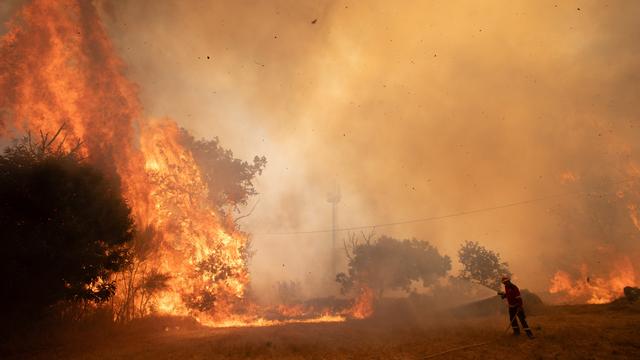
Europe, including Germany, is bracing for a potential increase in mega-fires, a trend already evident in regions like Bordeaux, France, which experienced a firestorm, and Spain, which is battling large wildfires. Scientists and authorities are concerned that certain global areas may face a higher frequency of such large-scale blazes than in the past.
This escalating risk is closely linked to rising global temperatures and prolonged heatwaves, creating drier conditions conducive to rapid fire spread. The situation highlights the vulnerability of ecosystems and infrastructure to extreme weather events, prompting a reevaluation of preparedness and response strategies across the continent. Germany, in particular, will need to consider its own climate projections and adapt its fire management practices to mitigate future threats.
The increasing frequency and intensity of large-scale fires in Europe, exemplified by events in Bordeaux and Spain, suggest a significant shift in climate-related risks. This trend underscores the urgent need for proactive adaptation strategies, moving beyond reactive firefighting. Future planning must integrate climate science projections into land management, urban development, and infrastructure resilience. The economic and social costs associated with these mega-fires necessitate a systemic approach to risk reduction, considering long-term environmental sustainability and the potential for cascading impacts on biodiversity and human populations.
AI-generated to prompt reflection — not editorial opinion, not advice, not a statement of fact. How this works.