Europe Faces Shortage of Firefighting Aircraft as New Canadian Planes Await Approval
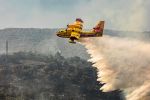
Europe is experiencing a significant deficit of amphibious firefighting aircraft, a situation expected to persist for several more years. This shortage stems from the ongoing delay in the certification of the new DHC-515 model, manufactured in Canada. These specialized planes are considered the most effective tool for combating large-scale forest fires. The lack of these critical assets leaves European countries vulnerable to the increasing threat of wildfires. The DHC-515, developed by De Havilland Canada, is designed to scoop vast amounts of water from lakes and the sea, enabling rapid and repeated water drops on fires. Its absence means that existing firefighting capabilities are stretched thin, potentially leading to slower response times and more devastating fire seasons. The certification process for new aircraft models can be lengthy and complex, involving rigorous safety and performance evaluations. Until the DHC-515 receives the necessary approvals, the continent will continue to rely on a limited fleet, potentially exacerbating the impact of future fire events.
The reliance on a single, specialized aircraft model for critical wildfire suppression highlights a potential systemic vulnerability in European disaster preparedness. The extended timeline for the DHC-515's certification suggests potential bottlenecks in regulatory processes or manufacturing, which could be reviewed to enhance future supply chain resilience. This situation underscores the trade-offs between specialized, high-capability assets and the need for readily deployable, diverse firefighting resources. As climate change intensifies wildfire risks, a forward-looking strategy might involve fostering greater interoperability of existing fleets across member states and exploring decentralized manufacturing or maintenance capabilities to mitigate the impact of single-point dependencies on new technology.
AI-generated to prompt reflection — not editorial opinion, not advice, not a statement of fact. How this works.