Europe Forms Ballistic Missile Defense Coalition Amid Russian Threats
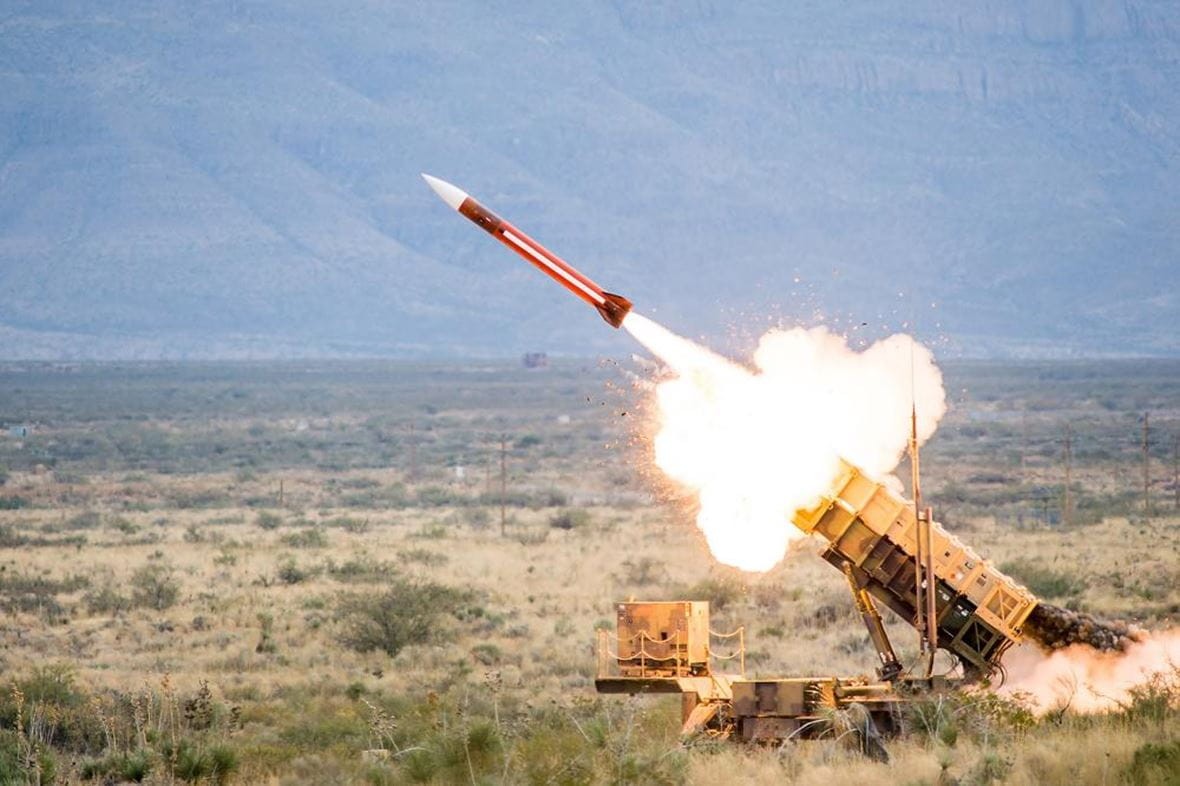
Ukrainian President Volodymyr Zelensky and French President Emmanuel Macron announced the formation of a coalition aimed at building a shared defense capability against ballistic missiles for Europe. This initiative primarily targets missiles from Russia, which has increased its use of such weapons in its ongoing war against Ukraine since 2022. A recent heavy attack on Kyiv on December 6th saw Russia launch 23 ballistic missiles, none of which were intercepted by Ukrainian defenses. Ballistic missiles are launched at high altitudes, reaching speeds up to twenty times the speed of sound, and are generally more difficult to intercept than cruise missiles due to their high kinetic energy. Russia has been frequently deploying its Oreshnik hypersonic ballistic missiles, capable of reaching targets up to 5,500 km away, posing a threat to much of Europe from Russian territory or Belarus. While Europe has provided Ukraine with various air defense systems, the U.S.-made Patriot system is crucial for intercepting ballistic missiles. Ukraine faces a severe shortage of Patriot interceptors, a vulnerability Russia has exploited. The U.S. has offered Ukraine a license to independently produce Patriot missiles, though this is expected to take years. European nations are developing their own ballistic missile defense systems, such as HYDIS and EU HYDEF, but remain largely dependent on Patriot systems. The new coalition, initially comprising Denmark, France, Germany, Italy, the Netherlands, Norway, Spain, Sweden, the United Kingdom, and Ukraine, seeks an integrated missile defense architecture to deter and neutralize future threats, acknowledging Ukraine's experience in defending against Russian aggression. The timeline for the defense system's creation is not yet established, and the coalition remains open to new members.
The formation of a European ballistic missile defense coalition reflects a strategic response to evolving geopolitical threats, particularly from Russia's increased missile capabilities. The reliance on the U.S.-made Patriot system highlights both its effectiveness and the strategic vulnerabilities associated with dependence on a single foreign supplier, especially in a context of shifting transatlantic relations. The initiative to develop indigenous European defense systems, while long-term, addresses the need for greater strategic autonomy. The coalition's success will likely depend on sustained political will, technological development, and equitable burden-sharing among member states, as well as its ability to integrate diverse national capabilities into a cohesive and responsive architecture capable of deterring future aggression in an increasingly complex security environment.
AI-generated to prompt reflection — not editorial opinion, not advice, not a statement of fact. How this works.