Europe Losing War on Cocaine as Street Prices Fall and Purity Rises
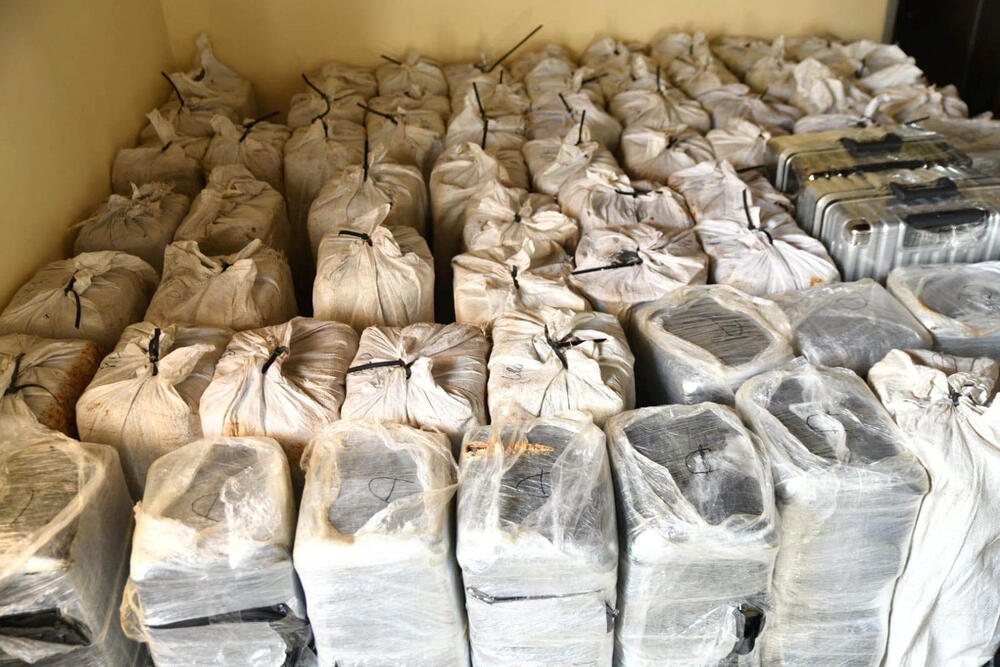
Europe is reportedly losing the battle against cocaine trafficking, with the drug now more accessible than during the peak of the 1980s. Street prices for cocaine have declined, while its purity has increased, indicating a more efficient and widespread supply chain. Traffickers appear to be consistently staying ahead of law enforcement efforts. This situation suggests a growing challenge for European authorities in controlling the flow and impact of illicit drugs. The combination of lower prices and higher purity points to a robust and resilient drug market operating within the continent. The ongoing struggle highlights the complexities of interdicting international drug smuggling operations. Authorities face an uphill battle against sophisticated criminal networks.
The increasing accessibility and declining street prices of cocaine in Europe suggest that current interdiction strategies may be insufficient to disrupt the drug trade's supply and distribution networks. This trend indicates a potential failure in enforcement efforts to curb demand or effectively intercept shipments. The market dynamics point to resilient criminal organizations that adapt quickly to law enforcement pressures, possibly through diversified routes and methods. Looking ahead, a decade of increasing globalization and digital connectivity could further complicate these efforts, necessitating a re-evaluation of international cooperation and technological solutions to combat transnational organized crime. Addressing the root causes of demand and exploring alternative strategies beyond traditional enforcement may be crucial for long-term effectiveness.
AI-generated to prompt reflection — not editorial opinion, not advice, not a statement of fact. How this works.