Europe races to catch up in physical AI and humanoid robotics against China and US
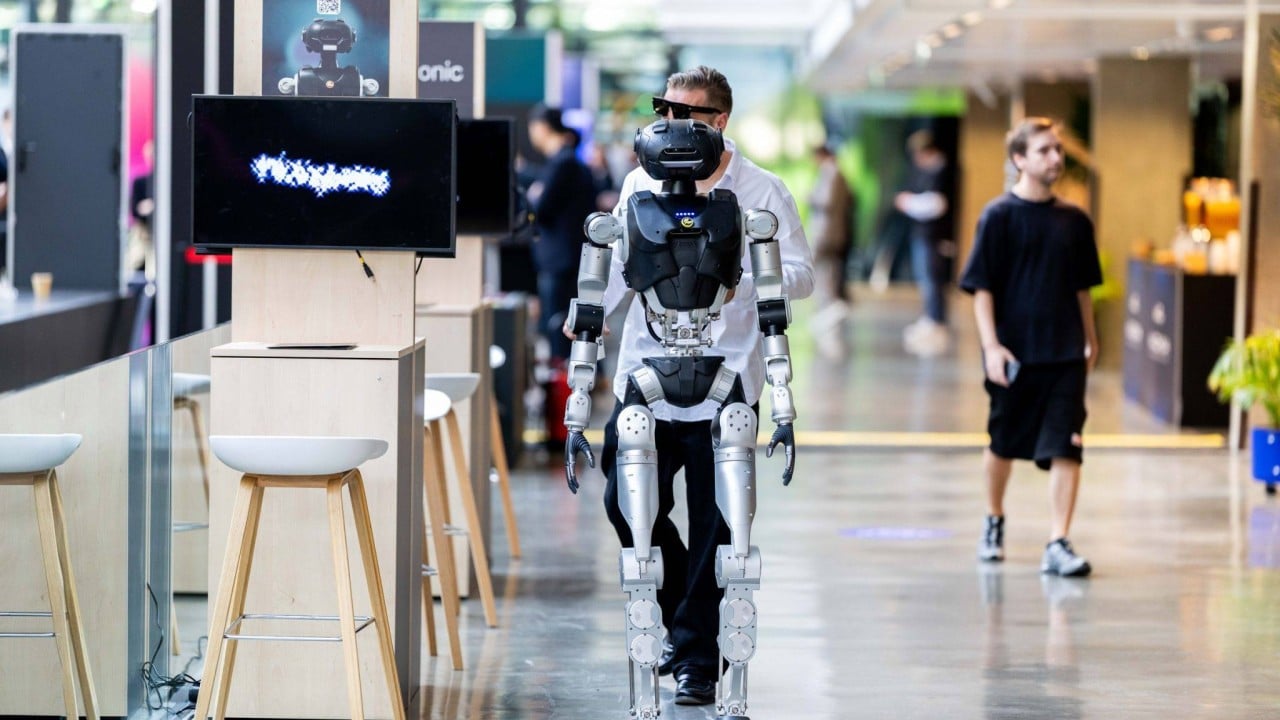
European companies are striving to establish a presence in the burgeoning field of physical artificial intelligence, which involves integrating AI into robotics and machinery. This effort comes as China and the United States have already secured significant early advantages in the sector. Industry experts are cautioning that Europe risks further deindustrialization if it does not successfully develop a competitive industry in this area. David Kehr, president of an unnamed organization, acknowledged the leadership of China and the US in AI but urged against underestimating Europe's potential. The integration of AI into physical systems represents a critical technological frontier, with profound implications for future industrial capabilities and economic competitiveness.
The global competition in physical AI and humanoid robotics highlights a critical juncture for industrial economies. Europe's challenge lies in fostering innovation and investment to counter the established leads of China and the US. The potential for deindustrialization underscores the systemic importance of this technological domain for national economic health and sovereignty. Future success will likely depend on strategic R&D funding, fostering agile startups, and creating regulatory environments that encourage rapid development without stifling ethical considerations. The next decade will reveal which regions can effectively bridge the gap between AI research and tangible, intelligent physical systems.
AI-generated to prompt reflection — not editorial opinion, not advice, not a statement of fact. How this works.