Europe Rushes Toward Autonomy Amidst Trump's NATO Summit Rhetoric
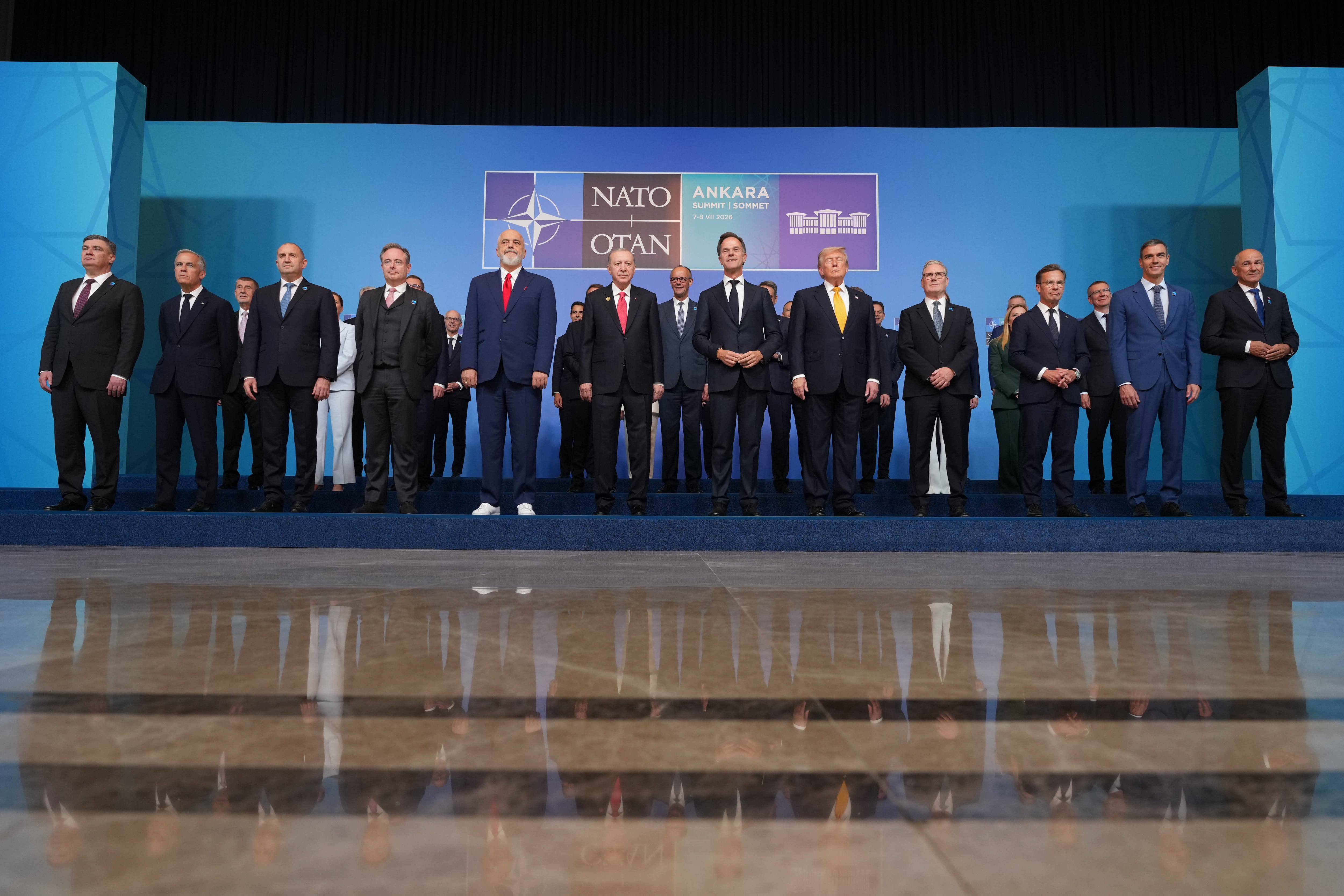
The recent NATO summit in Brussels saw U.S. President Donald Trump engage in a series of insults and contradictory statements, compelling European leaders to accelerate their pursuit of greater strategic autonomy from Washington. Trump's public criticisms of NATO allies, particularly regarding defense spending, and his questioning of the alliance's core tenets, have intensified existing European desires for self-reliance. This shift is not merely a reaction to Trump's personal style but reflects a broader concern about the reliability of U.S. security commitments under his administration. European nations are now prioritizing initiatives that enhance their independent defense capabilities and foreign policy coordination. The summit's events have served as a catalyst, pushing the European Union and individual member states to move beyond rhetoric and implement concrete steps towards greater sovereignty. This includes exploring new defense partnerships and strengthening existing European defense structures. The underlying sentiment is that Europe can no longer solely depend on the United States for its security and must take a more proactive role in shaping its own destiny.
The events at the NATO summit underscore a growing divergence in strategic priorities between the United States and its European allies, exacerbated by shifting geopolitical landscapes and evolving leadership styles. The emphasis on European sovereignty reflects a recognition of the need for greater collective self-reliance in defense and foreign policy, particularly in light of perceived unpredictability in U.S. commitments. This strategic recalibration, while potentially fostering greater European integration and capability, also presents challenges in maintaining alliance cohesion and burden-sharing. The long-term implications involve a potential restructuring of transatlantic security architecture, necessitating careful navigation of national interests, collective security needs, and the evolving global order over the next decade.
AI-generated to prompt reflection — not editorial opinion, not advice, not a statement of fact. How this works.