Europe's Defense Dilemma: A Question for Mark Rutte
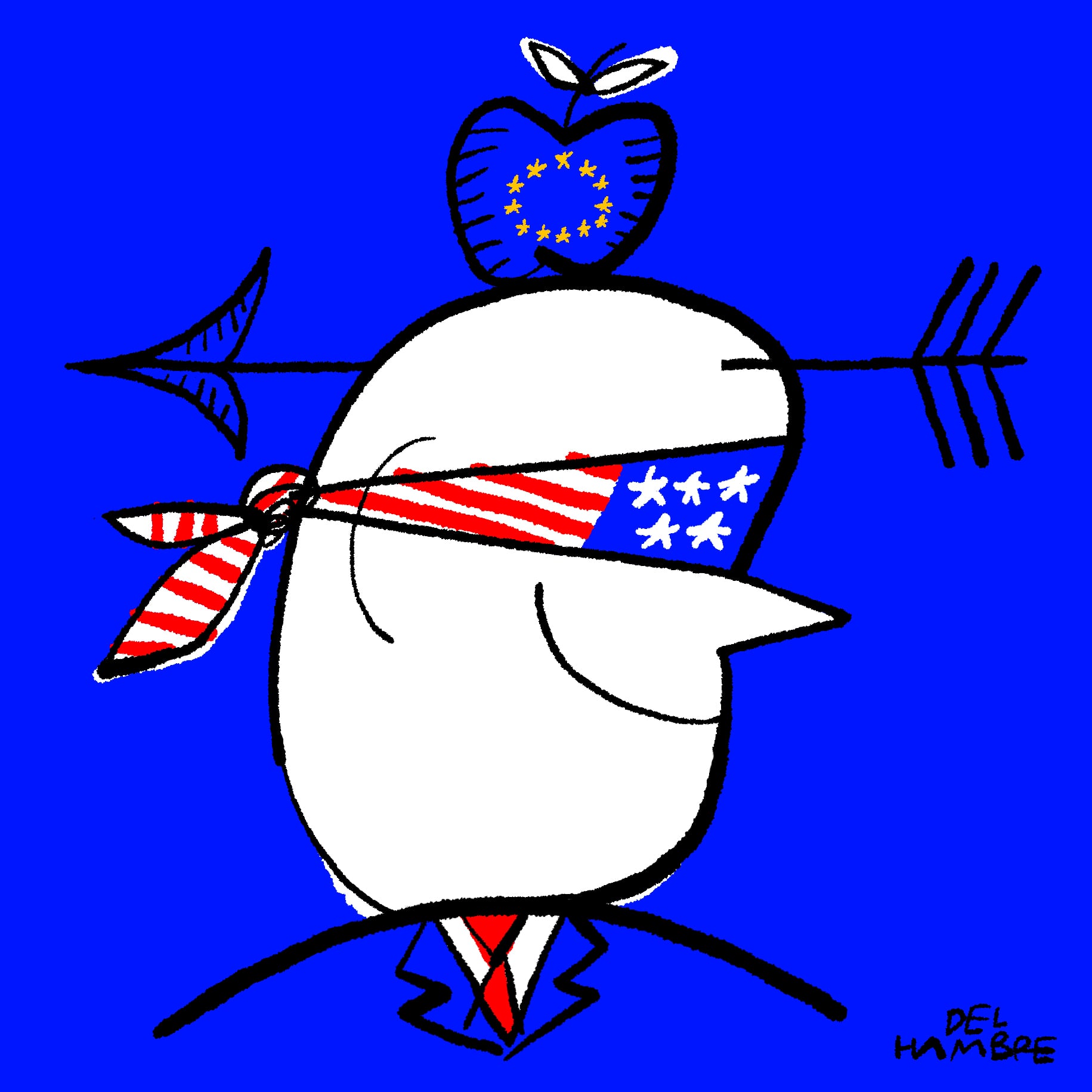
The article poses a fundamental question about Europe's capacity and willingness to defend itself, framed as a direct challenge to Mark Rutte. It suggests that a Europe that does not recognize itself as a subject worthy of defense will not undertake the brutal effort required to achieve it. This implies a need for a paradigm shift in how European nations perceive their collective security and strategic autonomy. The piece critiques the current state of European defense, hinting at a lack of commitment or a flawed understanding of the sacrifices necessary for robust self-protection. It implies that without a strong sense of self-worth as a security actor, Europe will falter in its efforts to build credible defense capabilities. The author seems to be calling for a more assertive and self-aware European strategic posture. The core argument revolves around the idea that genuine defense requires a profound internal conviction of one's own value and right to security. This conviction, the article suggests, is currently lacking or insufficient within the European context, hindering concrete action.
The article highlights a critical juncture for European strategic autonomy, questioning the collective will to invest in defense capabilities. It frames the issue not merely as a resource allocation problem but as a deficit in self-perception and strategic identity. For Europe to effectively project security and deter threats in the coming decade, it must reconcile its economic and political power with a commensurate defense posture. This requires addressing internal political fragmentation and developing a unified strategic culture that values collective security as a prerequisite for sovereignty. The challenge lies in fostering a shared sense of urgency and responsibility that transcends national interests, enabling the 'brutal effort' required for credible defense in an increasingly complex geopolitical landscape.
AI-generated to prompt reflection — not editorial opinion, not advice, not a statement of fact. How this works.