Europe's deforestation-free cocoa demand strains Ghanaian farmers with low prices
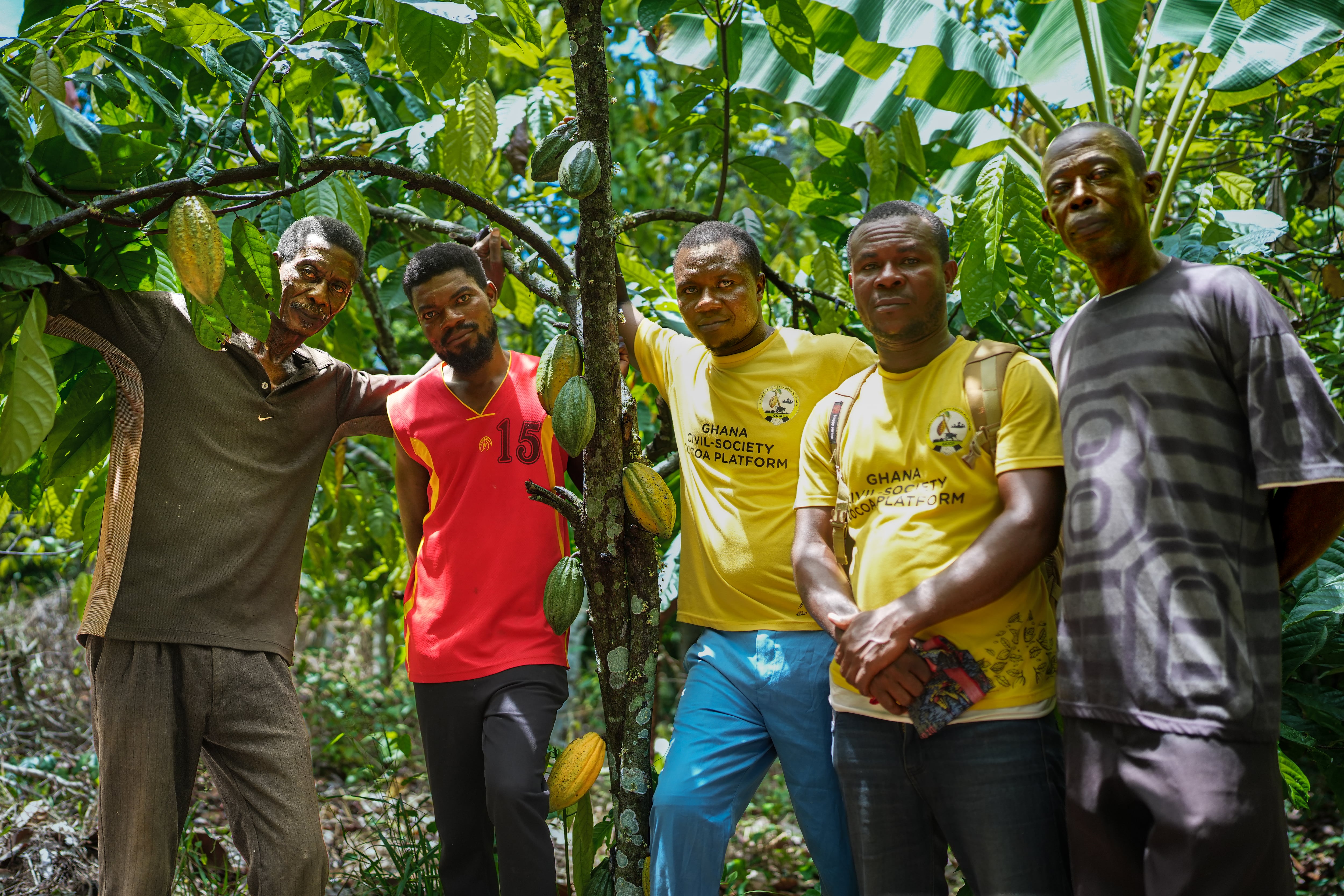
Ghana is preparing to implement European Union regulations aimed at combating deforestation. These new rules require cocoa to be produced without contributing to forest loss. However, thousands of small-scale cocoa farmers in Ghana are struggling to survive under the current market prices. They warn that maintaining their farms is becoming increasingly difficult with the existing economic conditions. The demand for deforestation-free cocoa from Europe, while environmentally motivated, is creating significant financial pressure on these producers. The farmers are concerned that they may not be able to continue their livelihoods if prices do not improve. This situation highlights a potential conflict between environmental goals and the economic realities faced by agricultural communities in developing nations. The success of the EU's initiative hinges on ensuring fair compensation for farmers who are essential to the cocoa supply chain. Without adequate pricing, the sustainability of cocoa production, even if deforestation-free, is at risk.
The EU's deforestation-free cocoa regulations aim to address environmental concerns by shifting supply chain responsibilities. However, this policy's effectiveness is contingent on the economic viability for producers. The current pricing structure appears insufficient to support Ghanaian farmers, potentially creating a paradox where environmental compliance leads to livelihood erosion. This situation underscores the need for integrated policy approaches that consider both ecological impacts and the socio-economic well-being of agricultural communities. Future frameworks may need to incorporate mechanisms for price stabilization or direct support to ensure that sustainability initiatives do not inadvertently disadvantage the very individuals whose labor is critical to global supply chains, particularly in the context of increasing global demand for ethically sourced commodities.
AI-generated to prompt reflection — not editorial opinion, not advice, not a statement of fact. How this works.
