Europe's Growing Embrace of Irrationality
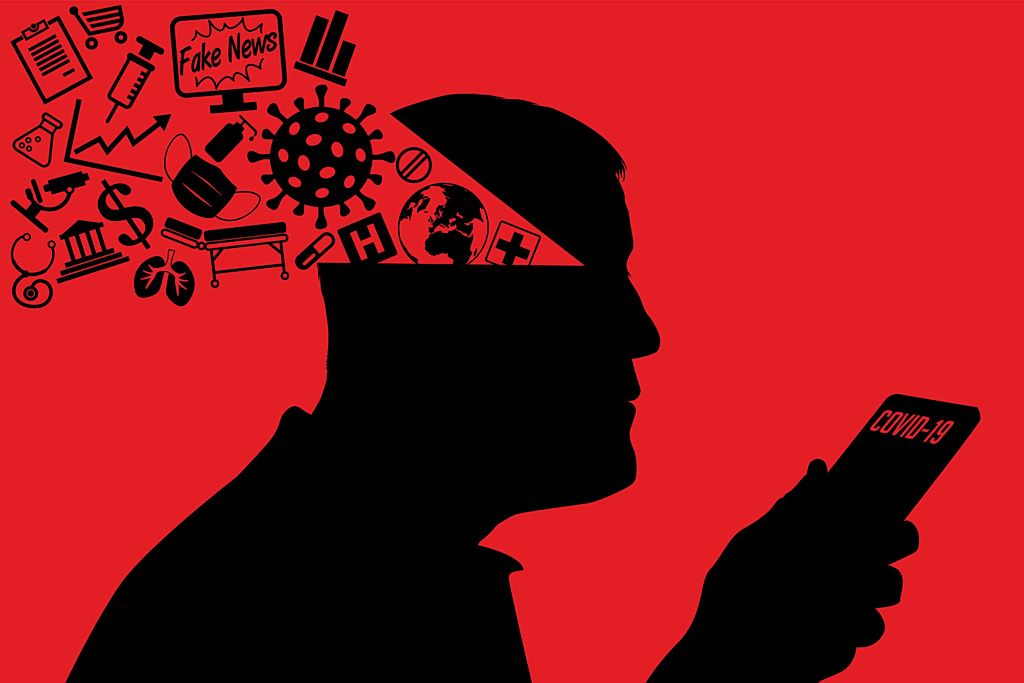
The ease with which Europe once dismissed irrationality has vanished, marking a significant shift in societal discourse. During an era dominated by optimism about progress and reform within the Western framework, those holding fringe or unconventional views were marginalized. Their opinions had little chance of reaching a broader, systemic audience. However, this landscape has changed considerably. The article suggests it is now time to recognize this transformation and understand its implications. The previous dismissal of such viewpoints has given way to a more complex and concerning acceptance of irrational thinking within parts of European society. This evolution indicates a potential weakening of critical analysis and evidence-based reasoning, which were once hallmarks of the Western intellectual tradition. The ease with which these once-marginalized ideas are now gaining traction warrants serious consideration regarding the future direction of public discourse and decision-making.
The shift described suggests a potential erosion of established norms valuing rational discourse and evidence-based decision-making in Europe. This phenomenon may be influenced by complex factors including social media amplification, economic anxieties, and a perceived disconnect between traditional institutions and public sentiment. The increasing visibility of once-marginalized viewpoints could reflect underlying societal stresses or a redefinition of what constitutes acceptable public discourse. Understanding the drivers behind this trend is crucial for navigating future societal and political landscapes, particularly in an era increasingly shaped by information flow and public perception.
AI-generated to prompt reflection — not editorial opinion, not advice, not a statement of fact. How this works.