Europe's Heatwaves: Why They Can Be Worse Than Brazil's
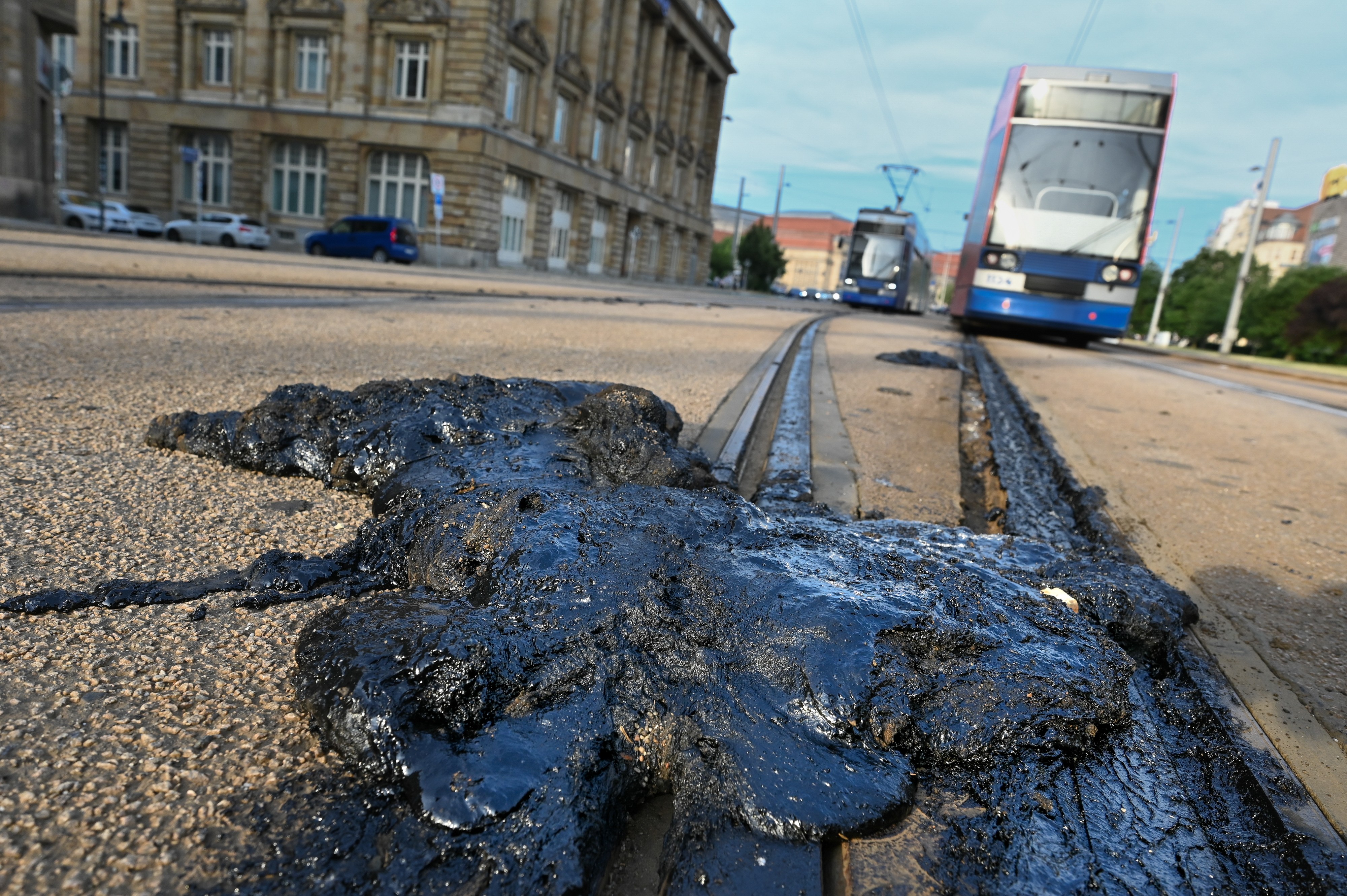
While Brazil experiences high temperatures, European heatwaves can be more severe due to several factors, including geographical differences in daylight hours. Germany, for instance, experiences longer daylight during its summer solstice in June, with the sun rising before 4 AM and setting near 8:30 PM, leading to extended periods of solar radiation compared to Belo Horizonte, Brazil, where daylight is shorter. This prolonged exposure to the sun exacerbates heat conditions.
Furthermore, European buildings are often constructed to retain heat due to long cold periods, meaning they can trap heat indoors during a heatwave, as walls have less time to cool down. Air conditioning is also not yet widespread in many European regions. Another significant difference is humidity: European heat is generally drier, while Brazil's is more humid. Professor Nelson Gouveia from USP's Faculty of Medicine explains that humidity significantly impacts the body's ability to regulate temperature and exchange heat, potentially leading to dehydration and organ failure.
The consequences are stark, with a historical heatwave in Europe in June causing over 10,000 deaths. Experts like Gouveia warn that increasingly frequent and intense heatwaves could render some regions uninhabitable as human bodies may not adapt. Meteorologist Ana Ávila notes that Europe is warming faster than other continents, and these heatwaves represent a climate shift, not just variability. She emphasizes the critical need for adaptation measures to ensure the health and survival of populations, especially vulnerable groups like the elderly.
This report highlights how distinct geographical and architectural factors can amplify the impact of extreme heat, even in regions with generally high ambient temperatures. The comparison between European and Brazilian heatwaves underscores the importance of considering local climate patterns, building insulation characteristics, and the physiological effects of humidity, rather than relying solely on air temperature readings. The analysis points to a systemic challenge where infrastructure designed for colder climates becomes a liability during warming trends, necessitating significant investment in climate-resilient urban planning and building codes. The increasing frequency of these events suggests a need for proactive adaptation strategies, as human physiological limits may be tested, potentially leading to long-term demographic shifts and increased public health burdens. Future policy must balance immediate adaptation with global mitigation efforts to address the root cause of accelerating climate change.
AI-generated to prompt reflection — not editorial opinion, not advice, not a statement of fact. How this works.