Europe's Slow Awakening: A Shift in Standards
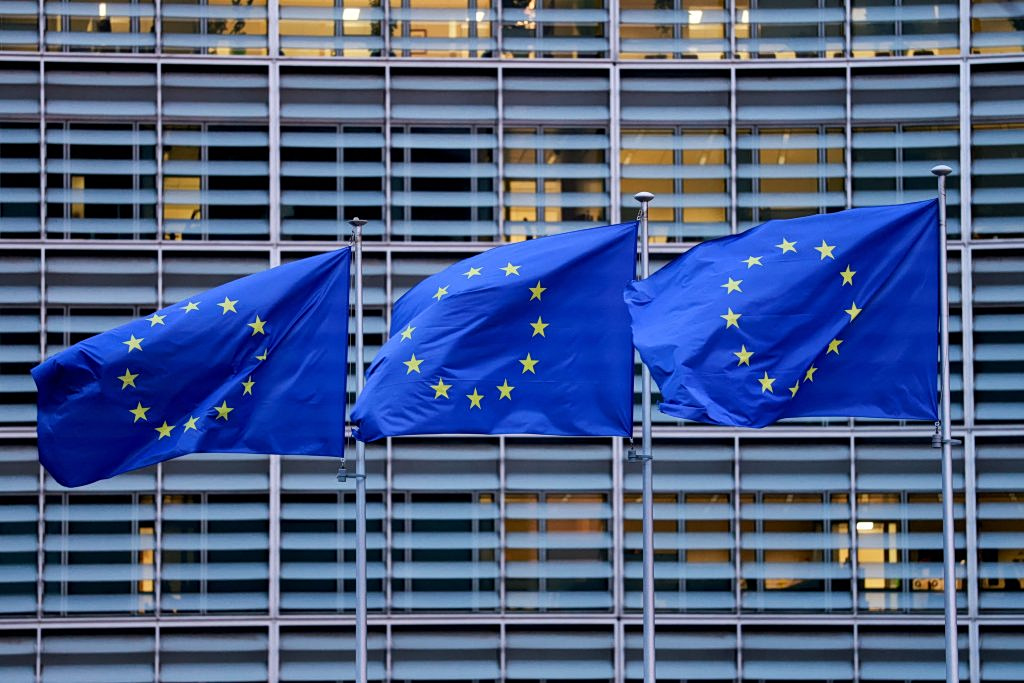
In the 1960s and 1970s, many Greeks questioned whether their country would ever truly become part of Europe. This sentiment was often met with ironic smiles from those who heard it. However, Greece did eventually integrate into Europe, not by elevating its own standards to match the continent's, but rather by a perceived lowering of European standards to meet Greece's. The initial vision for Europe began with the European Economic Community, a foundational step towards integration. The article suggests a significant shift has occurred in the European landscape over the decades. This transformation implies that the criteria and expectations defining 'Europe' have evolved considerably since its inception. The author reflects on the historical context of Greece's aspirations and its eventual alignment with the broader European entity. The piece hints at a complex process of convergence where both sides have adapted. The narrative implies that the definition of European identity and standards has become more fluid. This evolution raises questions about the original goals of European integration. The author's perspective suggests a reevaluation of what it means to be 'European' in the contemporary era.
The narrative suggests a divergence between the initial aspirations of European integration, focused on economic and potentially political convergence, and the contemporary reality. The author's observation that Europe 'descended' to Greece's level, rather than Greece rising to Europe's, implies a potential dilution of original standards or a broadening of inclusivity that has altered the perceived homogeneity of the European project. This perspective prompts consideration of the trade-offs between rapid expansion and the maintenance of specific benchmarks. Over the next decade, as geopolitical and economic pressures continue to shape the continent, the European Union will likely face ongoing challenges in reconciling diverse national standards with its overarching goals. Understanding these dynamics is crucial for assessing the future cohesion and effectiveness of European institutions.
AI-generated to prompt reflection — not editorial opinion, not advice, not a statement of fact. How this works.