Europe Wildfires: What Travelers Need to Know Now
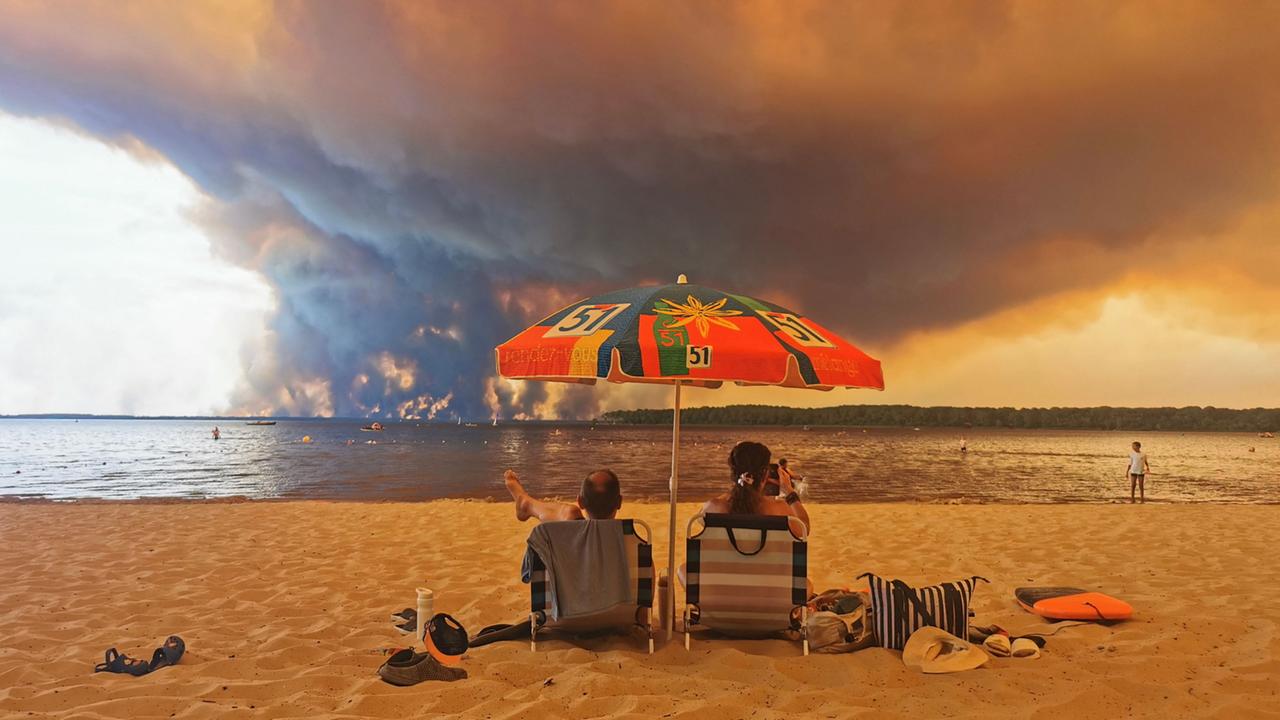
Wildfires are currently raging across Europe, with particularly severe outbreaks in France and Spain. Many popular tourist destinations are directly impacted by these fires. This situation requires travelers to be informed about the current conditions and potential disruptions. Authorities are working to contain the blazes, but the scale of the fires presents significant challenges. Travelers planning trips to affected regions should monitor official advisories closely. This includes checking for travel warnings, potential flight cancellations, and alternative transportation options. Information regarding air quality and evacuation orders is also crucial for ensuring safety. The ongoing fires underscore the growing threat of climate change and its impact on seasonal weather patterns. This summer's extreme heat and dry conditions have created a tinderbox effect across the continent. The long-term consequences for tourism and local economies in these areas are a growing concern.
The widespread wildfires across Europe, particularly in tourist hotspots like France and Spain, highlight the increasing vulnerability of popular destinations to climate-induced natural disasters. As extreme weather events become more frequent and intense due to global warming, travel and tourism sectors face significant operational and reputational risks. This situation necessitates a strategic re-evaluation of destination management and disaster preparedness. Future planning must integrate climate resilience measures, including early warning systems and robust emergency response protocols. The economic reliance on tourism in fire-prone areas also raises questions about sustainable development models and the need for diversification. Travelers and industry stakeholders alike must adapt to a new normal where climate risks are a primary consideration for travel decisions and infrastructure investment.
AI-generated to prompt reflection — not editorial opinion, not advice, not a statement of fact. How this works.