European Beaches Face New Rules Due to Tourism and Environmental Concerns
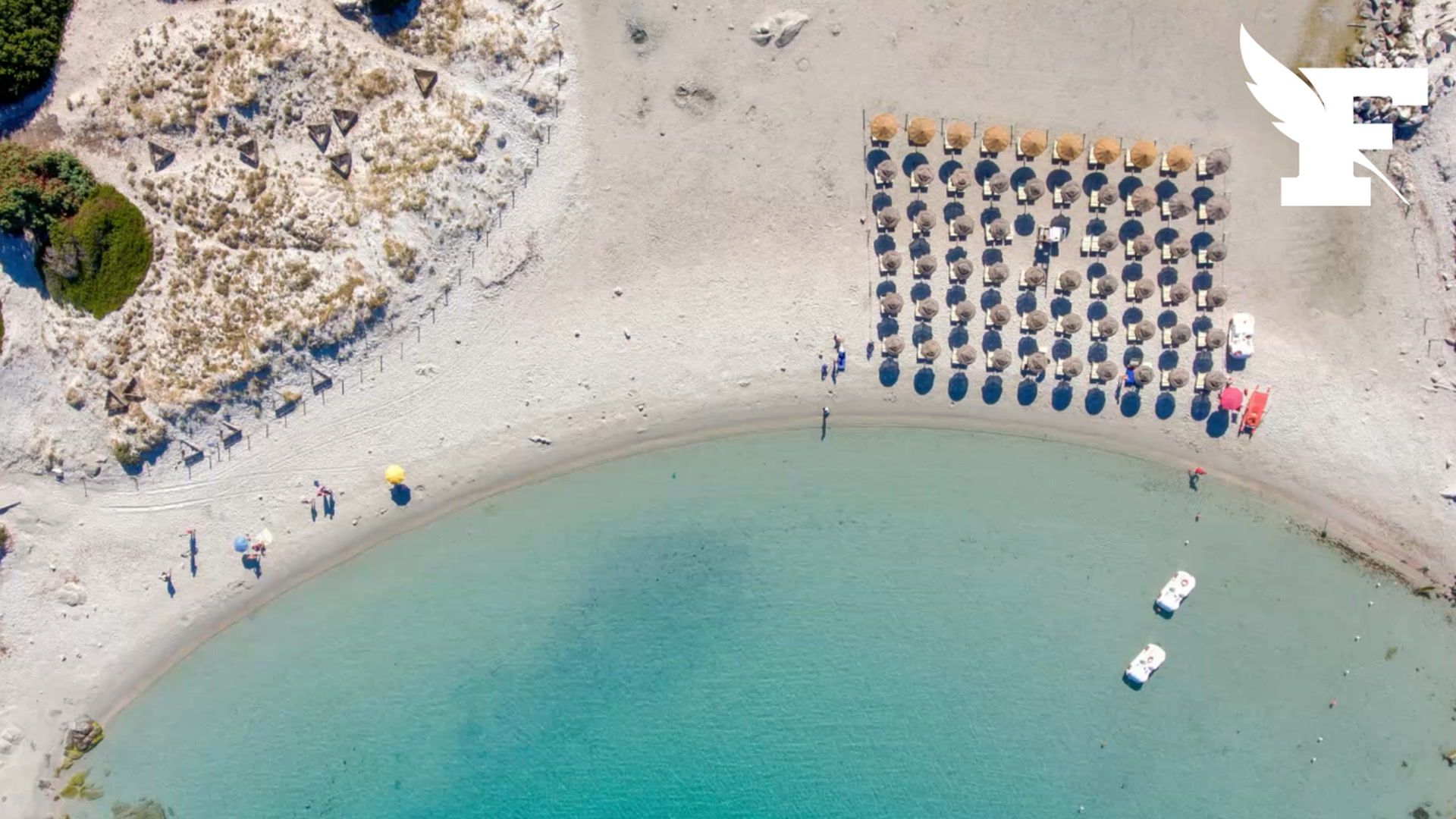
Numerous European destinations are re-evaluating public access to their beaches in response to mounting tourism pressure and environmental challenges. This shift is leading to the implementation of restrictions, quotas, and new usage regulations that are progressively reshaping the coastal experience for visitors. These measures aim to balance the desire for tourism with the urgent need for environmental protection and sustainable management of popular seaside areas. The evolving landscape of beach access reflects a broader trend across Europe of seeking more controlled and responsible ways to enjoy natural resources. As a result, the traditional, unrestricted enjoyment of beaches is being replaced by a more managed approach, potentially altering visitor expectations and behaviors. The specific nature of these restrictions and quotas varies by location, but the underlying motivation remains consistent: preserving fragile coastal ecosystems and ensuring a more sustainable future for tourism.
The increasing implementation of restrictions and quotas on European beaches signifies a critical juncture in managing the interplay between tourism economies and environmental preservation. This trend highlights a growing recognition that unchecked access can lead to ecological degradation and diminished visitor experience. Future governance models for coastal areas will likely need to integrate advanced data analytics and adaptive management strategies to dynamically balance resource capacity with demand. The challenge lies in designing policies that are equitable, transparent, and effective in safeguarding natural assets without unduly stifling economic activity or public enjoyment, prompting a re-evaluation of how societies value and access shared natural resources in an era of climate change and population growth.
AI-generated to prompt reflection — not editorial opinion, not advice, not a statement of fact. How this works.