European Commission Approves €2 Billion Capital Injection for Hungarian Development Bank
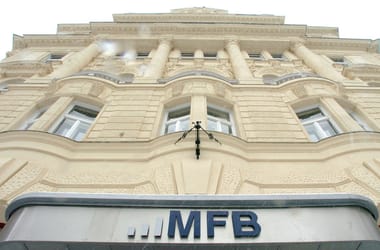
The European Commission has given its approval for a significant capital injection of two billion euros into the Hungarian Development Bank (MFB). This substantial financial support is intended to bolster the bank's capacity to address market failures across various economic sectors within Hungary. The MFB plays a crucial role in financing development projects and supporting businesses, particularly in areas where private sector investment may be insufficient or absent. The capital injection will enable the bank to expand its lending activities, offer more favorable financing terms, and potentially undertake larger-scale projects. This move is expected to stimulate economic growth and enhance the competitiveness of Hungarian industries by filling critical funding gaps. The approval signifies the Commission's assessment that the capital injection aligns with state aid rules and will contribute positively to the European Union's economic objectives. The enhanced financial standing of the MFB is anticipated to foster innovation and support the transition towards a more sustainable and digital economy in Hungary.
The European Commission's approval of a substantial €2 billion capital injection into the Hungarian Development Bank (MFB) signifies a strategic intervention aimed at addressing perceived market deficiencies. This action highlights a recurring theme in member states where state-owned development banks are utilized to channel public funds into sectors deemed critical or underserved by private capital. The efficacy of such large-scale state-led financing hinges on robust governance to ensure funds are allocated efficiently and without distorting competition. Looking ahead, the MFB's expanded capacity will be tested by its ability to foster genuine innovation and sustainable growth, rather than merely propping up existing structures. The long-term impact will depend on whether this intervention catalyzes private investment or creates a sustained reliance on state funding, a dynamic that warrants careful monitoring in the evolving economic landscape.
AI-generated to prompt reflection — not editorial opinion, not advice, not a statement of fact. How this works.