European Commission Reverses Stance on Single Deposit Guarantee Fund
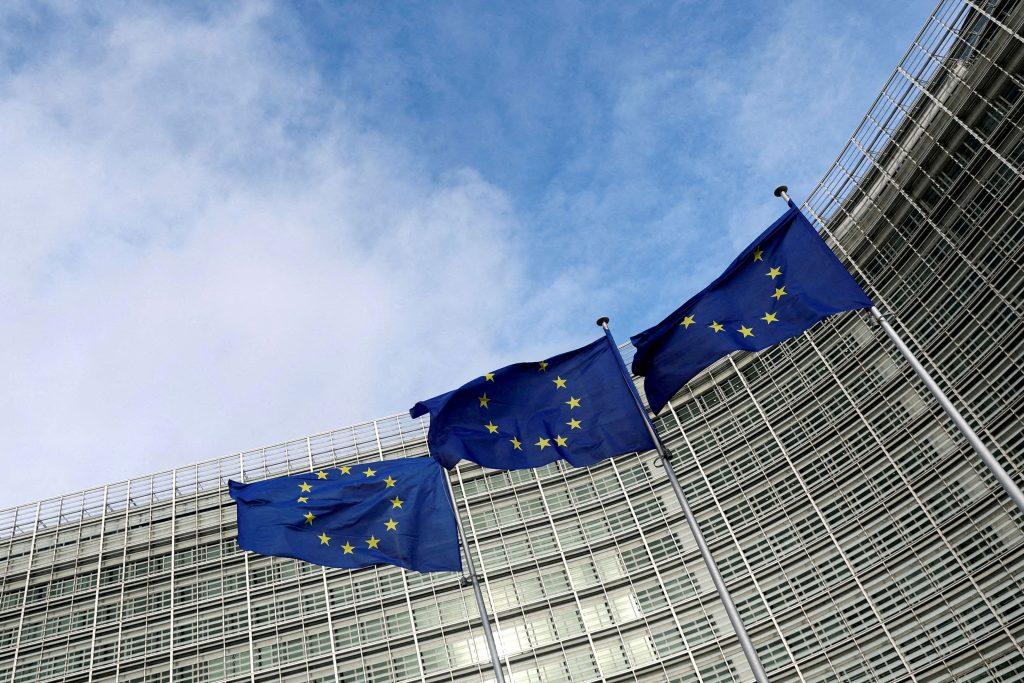
The European Commission has reportedly halted plans for a Single Deposit Guarantee Fund, a move that has been met with mixed reactions. This decision appears to prioritize international competitiveness over the establishment of a unified deposit insurance system for banks within the European Union. The fund was intended to provide a standardized level of protection for depositors across member states, aiming to increase confidence in the banking sector and prevent bank runs. However, concerns have been raised about the potential impact on national banking systems and the overall economic landscape of the EU.
The reversal signifies a significant shift in the Commission's approach to banking union reforms. While the exact reasons for this change were not detailed, it is understood that the potential implications for cross-border banking and the competitive positioning of European financial institutions on the global stage were key considerations. This development suggests a recalibration of priorities, potentially delaying or altering the future trajectory of the banking union project. The Commission's new stance implies a focus on fostering a more competitive environment for European banks internationally, even if it means a slower pace in harmonizing deposit insurance frameworks.
The European Commission's apparent pause on the Single Deposit Guarantee Fund reflects a complex interplay between financial integration goals and the imperative of maintaining international banking competitiveness. While a unified deposit insurance system could bolster intra-EU financial stability and consumer confidence, its implementation may introduce new governance challenges and potentially alter the risk-reward profiles of national banking sectors. The decision to prioritize international competitiveness suggests a strategic assessment that a harmonized, but potentially less agile, deposit insurance scheme could disadvantage European banks in a globalized financial market. This pivot highlights the ongoing tension between deepening the European banking union and ensuring its constituent members can effectively compete on a global scale, prompting consideration of alternative integration pathways that balance stability with market dynamism over the next decade.
AI-generated to prompt reflection — not editorial opinion, not advice, not a statement of fact. How this works.