European Court of Human Rights to Hear Case of Missing Crimean Children
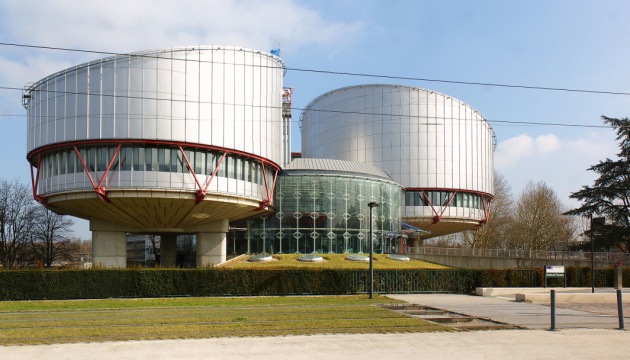
The European Court of Human Rights (ECHR) has scheduled a hearing for September 22 concerning ten Ukrainian children who disappeared from care institutions in Crimea in 2014. Information regarding the whereabouts of these children has been unavailable since that year. The case will be deliberated by the ECHR, which aims to uphold human rights across its member states. The hearing will focus on the circumstances surrounding the disappearance of these vulnerable individuals and the subsequent lack of information. This legal proceeding is a critical step in seeking accountability and potentially uncovering the fate of the missing children. The ECHR's involvement signifies the gravity of the situation and the international community's attention to cases of missing persons, particularly children, within conflict-affected regions. The outcome of the hearing could have significant implications for the families involved and for the broader legal framework protecting children in institutional care.
The upcoming ECHR hearing on the 2014 disappearance of ten Ukrainian children from Crimean care institutions highlights the long-term implications of unresolved cases involving vulnerable populations. The proceedings will scrutinize the efficacy of state and institutional mechanisms designed to protect children, particularly in regions experiencing political upheaval. This case underscores the critical need for robust international oversight and accountability frameworks to address potential human rights violations and ensure the welfare of children in state care. The ECHR's examination will likely focus on the responsibilities of all relevant parties in preventing such disappearances and in conducting thorough investigations to ascertain the children's fate. The case serves as a stark reminder of the enduring challenges in safeguarding children's rights and the importance of persistent legal and diplomatic efforts to achieve justice and closure for affected families.
AI-generated to prompt reflection — not editorial opinion, not advice, not a statement of fact. How this works.