European Court of Justice Upholds Amnesty for Catalan Separatist Group Members Accused of Terrorism
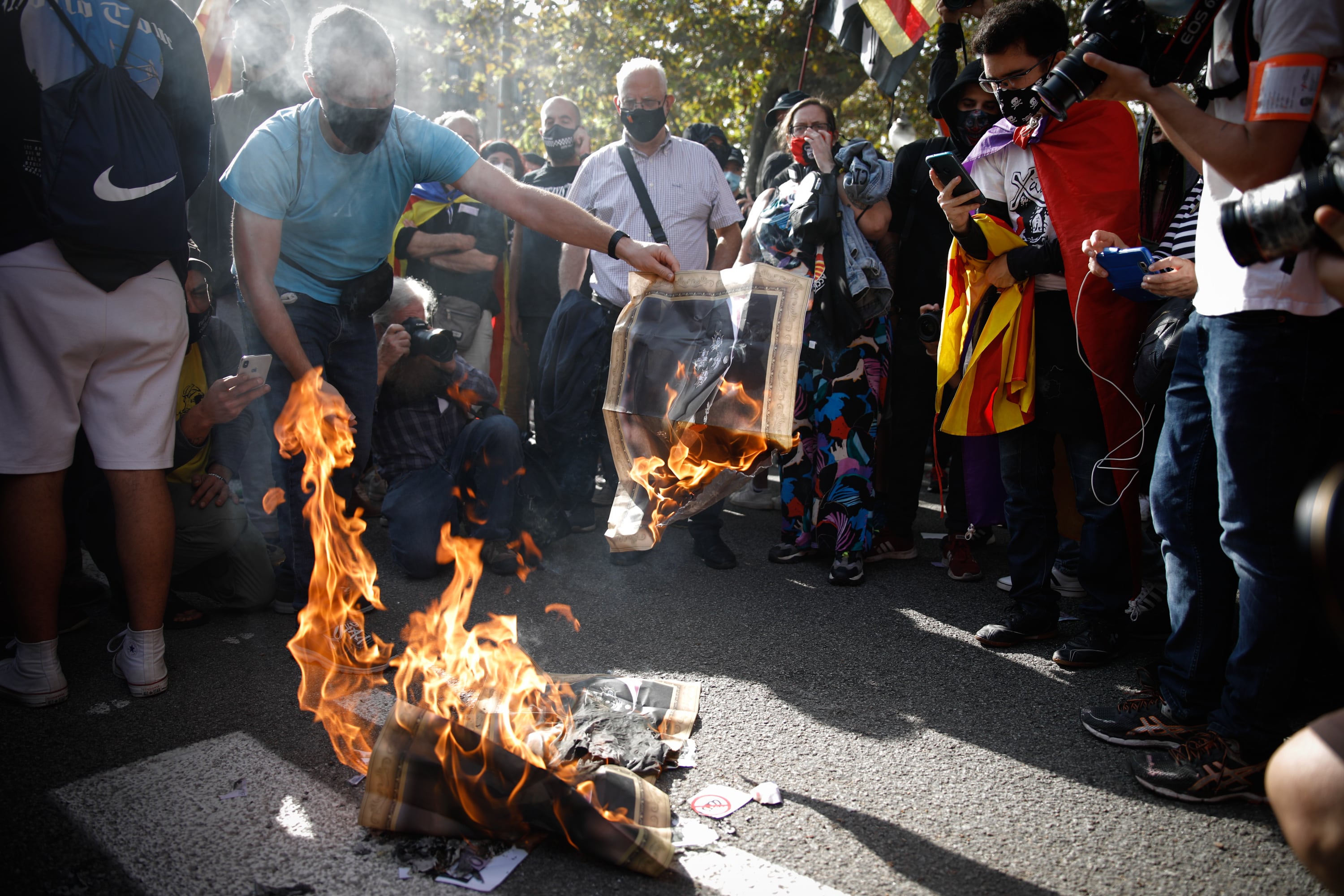
The European Court of Justice (ECJ) has ruled in favor of applying an amnesty to members of the Catalan Committees for the Defense of the Republic (CDR) who are facing charges of terrorism. This decision by the Luxembourg-based court potentially opens the door for Spain's National Court to grant the measure of grace to the 12 individuals accused during the Catalan independence process, known as the 'procés'. The CDR is a pro-independence group that has organized protests and actions related to Catalonia's bid for secession from Spain. The amnesty law, passed by the Spanish parliament, aims to de-escalate political tensions and reconcile the nation following the divisive independence movement. However, its application to individuals facing serious charges like terrorism has been a subject of legal debate and scrutiny. The ECJ's ruling clarifies the compatibility of such an amnesty with EU law, particularly concerning fundamental rights and the rule of law. This judgment is expected to influence the ongoing legal proceedings against the CDR members, potentially leading to the dismissal of charges against them.
The European Court of Justice's decision on the CDR amnesty highlights the complex interplay between national sovereignty, EU legal frameworks, and political reconciliation efforts. By validating the amnesty, the ECJ appears to prioritize the legislative will of a member state aimed at de-escalating internal political conflict, even when serious charges like terrorism are involved. This ruling could set a precedent for how EU law intersects with domestic amnesty provisions, particularly in contexts of secessionist movements or significant political divisions. Future implications may involve a re-evaluation of prosecutorial discretion versus legislative pardons in member states, and how these reconcile with EU principles of justice and the rule of law. The long-term impact will depend on how national courts interpret and apply this ruling within their specific legal and political contexts, potentially shaping the trajectory of similar future political disputes within the EU.
AI-generated to prompt reflection — not editorial opinion, not advice, not a statement of fact. How this works.