European Gas Prices Surge Past March Highs, Threatening Winter Reserves
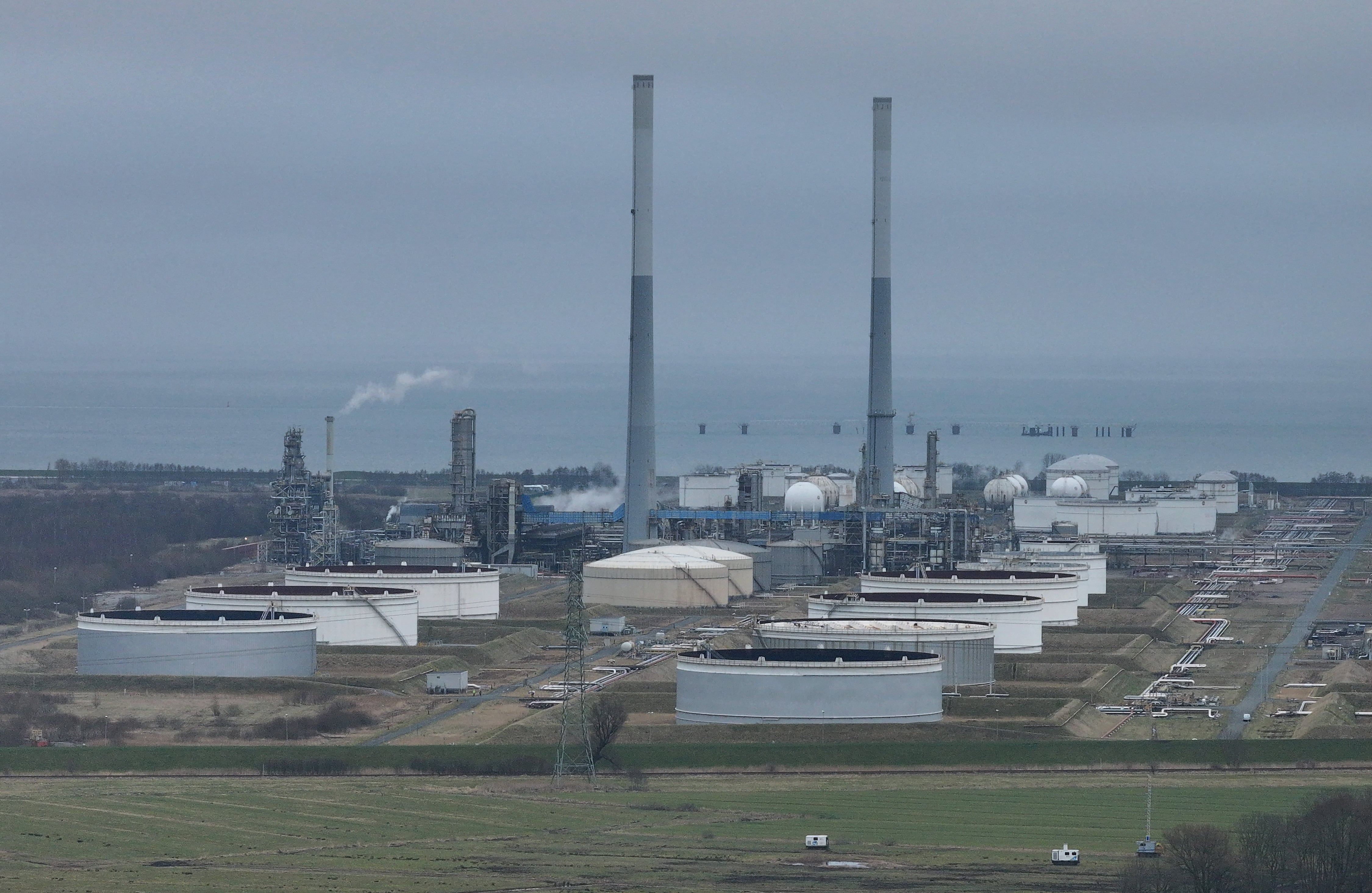
European natural gas prices have surpassed their March peaks, creating significant challenges for accumulating sufficient reserves ahead of winter. The benchmark Dutch TTF gas contract for August delivery saw its price climb significantly, driven by a confluence of factors. A key contributor is the renewed tension in the Strait of Hormuz, a critical chokepoint for global energy shipments. Additionally, robust demand from Asian economies is putting upward pressure on global gas supplies. Compounding these issues are the ongoing sanctions imposed on Russia, which continue to disrupt traditional energy flows and contribute to higher prices. The price of this essential commodity has increased by 40% over the past month alone. This surge complicates efforts by European nations to secure adequate energy supplies for the colder months, raising concerns about potential shortages and further economic instability.
The recent escalation in European natural gas prices, driven by geopolitical tensions in the Strait of Hormuz, strong Asian demand, and sanctions on Russia, highlights the vulnerability of global energy markets to supply-side shocks. The 40% price increase in one month underscores the market's sensitivity to perceived or actual disruptions in critical supply routes. This situation presents a complex challenge for European energy security, forcing a re-evaluation of reliance on specific geopolitical regions and traditional suppliers. Policymakers face the dual task of ensuring immediate winter supply while also accelerating long-term strategies for energy diversification and resilience, potentially through increased investment in renewable energy sources and improved storage infrastructure. The current dynamic suggests a sustained period of price volatility and strategic maneuvering in the energy sector.
AI-generated to prompt reflection — not editorial opinion, not advice, not a statement of fact. How this works.