European Heatwave Linked to Arctic Cold Snap Paradox
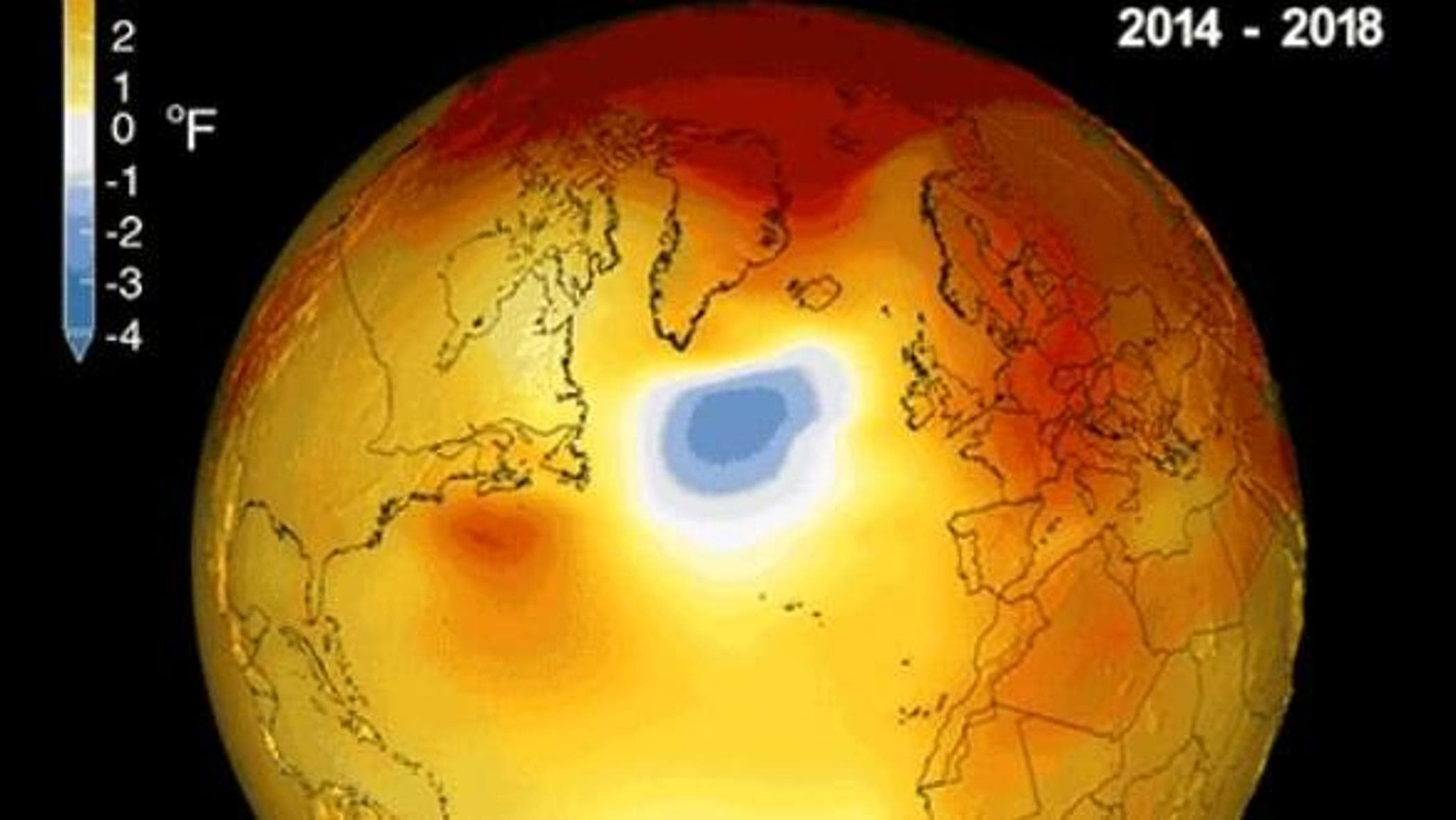
A striking thermal contrast between a frigid area in the Atlantic Ocean and warmer air is creating a paradoxical climate situation impacting Europe. This phenomenon involves a low-pressure system forming due to the cold air mass. This low-pressure system then acts like a vacuum, drawing in hot air from North Africa. The result is a severe heatwave gripping Europe, despite the presence of an unusually cold anomaly nearby. This atmospheric dynamic highlights the complex and often counterintuitive ways weather systems interact across continents. The extreme temperatures pose significant challenges for public health, agriculture, and energy infrastructure across the affected European nations. Scientists are closely monitoring these developments, seeking to better understand the contributing factors and predict future occurrences of such extreme weather events. The interplay between polar cold and subtropical heat underscores the interconnectedness of global climate patterns.
The observed weather pattern illustrates the intricate dynamics of atmospheric circulation, where seemingly opposing temperature anomalies can converge to produce extreme conditions. The formation of a low-pressure system, driven by a cold air mass, effectively redirects heat transport from lower latitudes. This highlights how localized temperature gradients can have far-reaching consequences, influencing regional climate stability. Understanding these complex interactions is crucial for developing more accurate climate models and adaptive strategies to mitigate the impacts of increasingly volatile weather events in the coming decade. The event prompts consideration of how global warming might be altering the frequency and intensity of such teleconnections between polar and equatorial air masses.
AI-generated to prompt reflection — not editorial opinion, not advice, not a statement of fact. How this works.