European Leaders' Nostalgia Risks NATO's Future
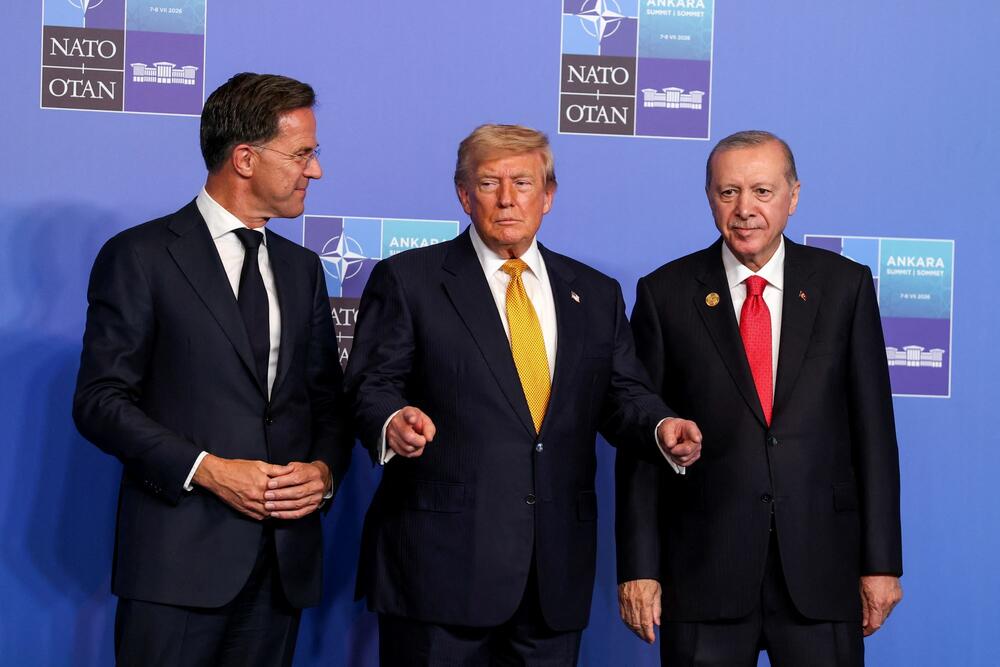
Some European leaders appear to believe that humbling themselves before Donald Trump is a necessary price to pay for preserving NATO and the survival of the Western alliance. However, by clinging tightly to the "good old days" of transatlantic relations, these European leaders are risking far more than their own dignity. This approach suggests a deep-seated nostalgia for a past era of international relations, potentially hindering adaptation to current geopolitical realities. The article implies that this fixation on historical dynamics may be detrimental to the long-term stability and effectiveness of the alliance. By prioritizing a perceived return to a previous state, leaders might be overlooking the evolving global landscape and the need for new strategies. The core concern is that this adherence to past norms could undermine the very alliance they seek to protect.
The described situation highlights a potential strategic dilemma for European leaders caught between a desire to maintain established alliances and the unpredictable nature of key international partners. This "nostalgia" for past diplomatic frameworks may represent an incentive to preserve existing power structures and relationships, even at the cost of present-day autonomy or leverage. From a systems perspective, clinging to outdated models in a rapidly changing global environment, particularly with the rise of new economic and geopolitical powers, could lead to systemic rigidity. This approach might inadvertently weaken the alliance by failing to adapt to contemporary challenges and the evolving interests of its members, potentially creating vulnerabilities that future geopolitical shifts could exploit.
AI-generated to prompt reflection — not editorial opinion, not advice, not a statement of fact. How this works.