European Leaders Unite Amidst Trump's Criticisms
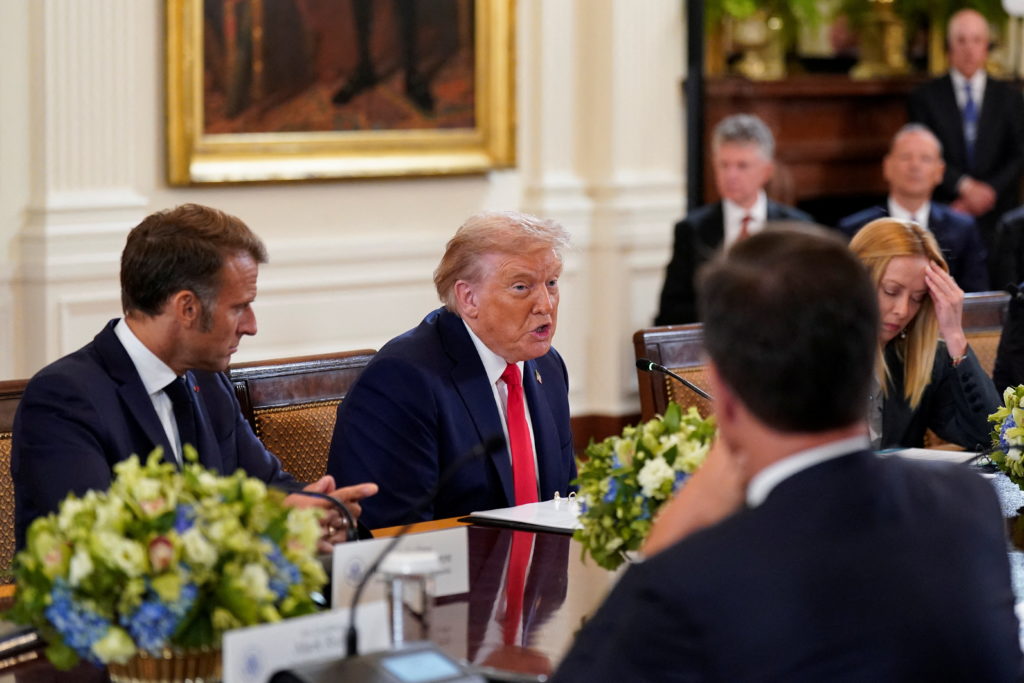
European leaders have closed ranks in response to recent criticisms from former US President Donald Trump. Trump had questioned Italy's reliability as a wartime ally and made remarks about Italian Prime Minister Giorgia Meloni, suggesting she sought his favor. Following these comments, European leaders publicly supported Meloni. This incident is seen as another instance where Trump's often divisive rhetoric has inadvertently fostered greater unity among European nations. The collective response highlights a trend where external pressure from the American president has encouraged European countries to align more closely.
The observed phenomenon suggests that external pressure, particularly from influential global figures, can act as a catalyst for increased cohesion among geopolitical blocs. When faced with perceived external criticism or challenges, regional alliances may strengthen their internal bonds and present a more unified front. This dynamic reflects a strategic response to perceived threats or attempts to sow discord, potentially driven by the incentive to maintain collective security and influence on the global stage. In the context of evolving international relations and the rise of new political landscapes, such instances underscore the importance of unified diplomatic strategies and the potential for external rhetoric to inadvertently reinforce regional solidarity.
AI-generated to prompt reflection — not editorial opinion, not advice, not a statement of fact. How this works.