European Nations Threaten World Cup Boycott Over Commercialization Concerns
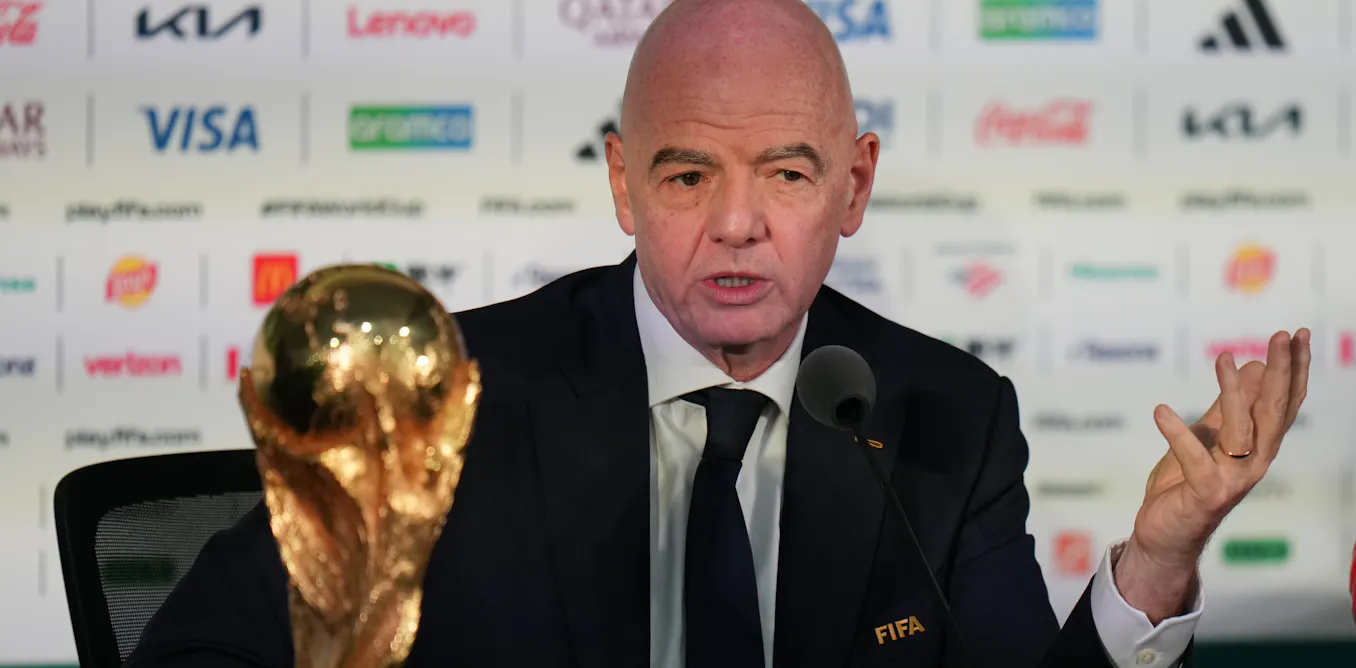
Several European nations have expressed significant unease regarding proposed changes to the global football governance structure. These nations are threatening to boycott the World Cup, signaling a potential major disruption to the sport. The core of their concern lies in the perceived hyper-commercialization of the sport, which they believe could have enormous and detrimental consequences. This move highlights a growing tension between the commercial interests driving the sport and the traditional values and integrity that many stakeholders wish to preserve. The potential fallout from such a boycott could extend beyond the immediate event, impacting sponsorship, broadcasting rights, and the overall global appeal of football. The situation underscores a critical juncture for the sport, forcing a debate about its future direction and the balance between financial growth and its cultural significance.
The potential World Cup boycott by European nations signals a critical juncture for global football governance. The stated concerns about hyper-commercialization suggest a conflict between revenue maximization strategies and the preservation of the sport's integrity and fan engagement. This dynamic reflects broader trends across major industries where the pursuit of profit can sometimes strain established operational models and stakeholder relationships. Future developments will likely hinge on the ability of governing bodies to balance commercial imperatives with the long-term health and accessibility of the sport, potentially leading to new models of revenue sharing or governance structures that are more inclusive of member nations' interests.
AI-generated to prompt reflection — not editorial opinion, not advice, not a statement of fact. How this works.