European People's Party Criticizes Sánchez Over Ceuta Crisis and Mass Regularization
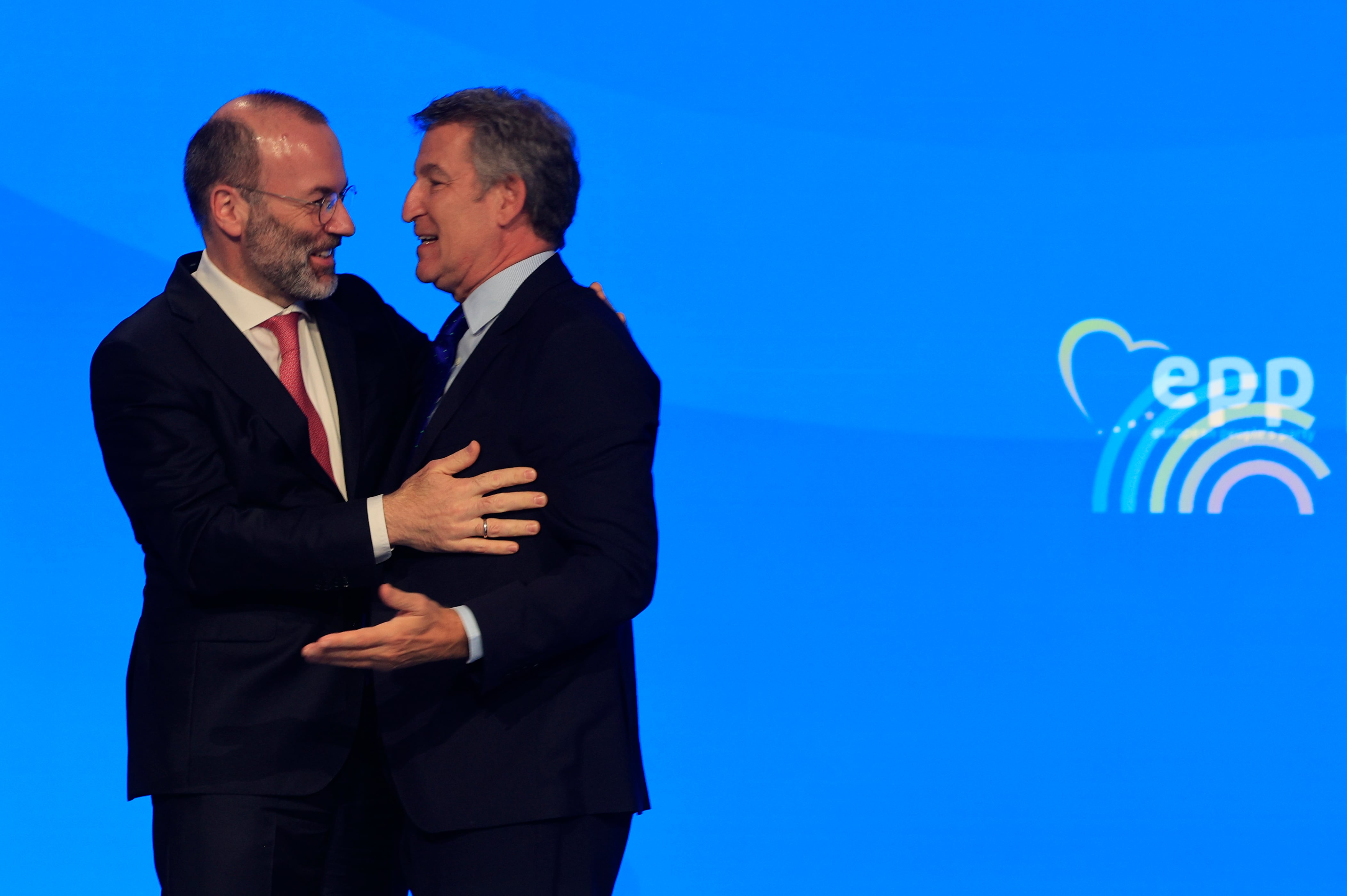
The European People's Party (EPP) has strongly criticized Spanish Prime Minister Pedro Sánchez regarding the crisis in Ceuta. The EPP group is demanding that the issue be addressed in the European Parliament during its upcoming plenary session in September. They are linking the situation in Ceuta to what they describe as a 'massive regularization' process. This criticism suggests a significant political rift between the EPP and Sánchez's government over immigration and border control policies. The EPP's call for a debate in the European Parliament indicates their intention to escalate the issue to an international level. The party's stance implies they view the handling of the Ceuta crisis and the regularization policies as interconnected and problematic. This move could put further pressure on Sánchez's administration to explain and justify its approach to these sensitive matters on a European stage. The specific details of the regularization policy and the nature of the Ceuta crisis are central to the EPP's concerns.
The EPP's public criticism of Prime Minister Sánchez highlights potential divergences in immigration and border management strategies within the European political landscape. Framing the Ceuta situation alongside regularization policies suggests a focus on perceived impacts on border security and national sovereignty. The demand for a European Parliament debate indicates a strategic effort to leverage supranational forums for domestic political advantage or to influence broader EU policy. This approach may reflect broader trends of national parties seeking international validation or pressure points for contentious domestic issues. Future policy discussions will likely need to balance national security concerns with humanitarian obligations and the complexities of managing irregular migration flows.
AI-generated to prompt reflection — not editorial opinion, not advice, not a statement of fact. How this works.