European sales of new gasoline and diesel cars decline in first half of year
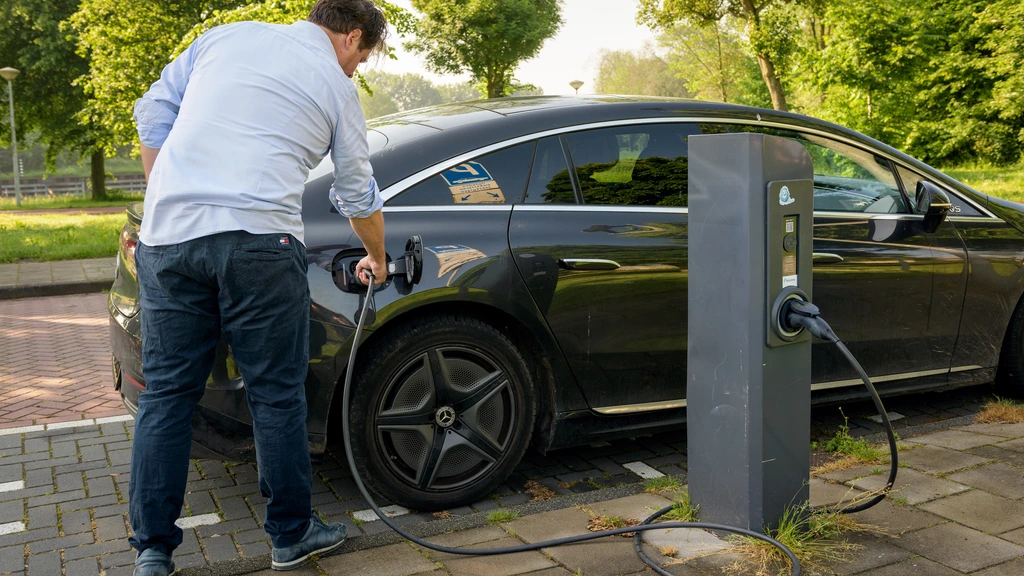
Sales of new gasoline and diesel cars in Europe have decreased during the first half of this year. Their market share dropped from 37.8% in the same period last year to 29.7%, according to data from the European Automobile Manufacturers' Association (ACEA). The first six months were marked by geopolitical tensions, leading to significant uncertainty and rising fuel prices. During this period, over 1.3 million gasoline cars and 439,592 diesel vehicles were sold across the European Union. Conversely, demand for electric vehicles increased, partly due to government support measures. In total, 5.9 million new passenger cars were sold in the EU in the first half of the year, a 5.7% rise compared to the previous year, with June showing a particularly strong increase. This surge in June may be linked to vehicle delivery times, which could be influenced by the timing of geopolitical events, such as the Middle East conflict. Hybrid vehicles, combining internal combustion engines with electric motors but lacking a plug, were especially popular, with nearly 2.2 million sold between January and June. Sales of these vehicles saw notable growth in Italy and Spain, as these countries catch up on electrification through supportive measures. In the Netherlands, plug-in hybrid sales rose significantly, with almost 42,000 units sold in the first half of the year. Experts note that increased model availability and consumer preference for these vehicles persist, even without financial incentives in the Netherlands. Rising fuel prices also contribute to the attractiveness of electric vehicles, with 1.2 million fully electric cars sold by June, capturing 20.7% of the European market, up from 15.6% a year prior.
The shift in European car sales reflects evolving consumer preferences driven by a confluence of factors including geopolitical instability impacting fuel prices, government incentives, and increasing model availability. The decline in internal combustion engine vehicle market share, while significant, is a gradual transition rather than an abrupt halt, indicating persistent demand for these options alongside growing adoption of electrified alternatives. The rise of hybrid and fully electric vehicles highlights a structural change in the automotive industry, influenced by both regulatory push and market pull. Over the next decade, this trend is likely to accelerate as technological advancements improve battery range and charging infrastructure, while policy frameworks continue to favor lower-emission transportation, potentially creating challenges for legacy manufacturers unable to adapt swiftly to these market dynamics.
AI-generated to prompt reflection — not editorial opinion, not advice, not a statement of fact. How this works.