European Teams Face Tournament Bans Amid UEFA-FIFA Boycott
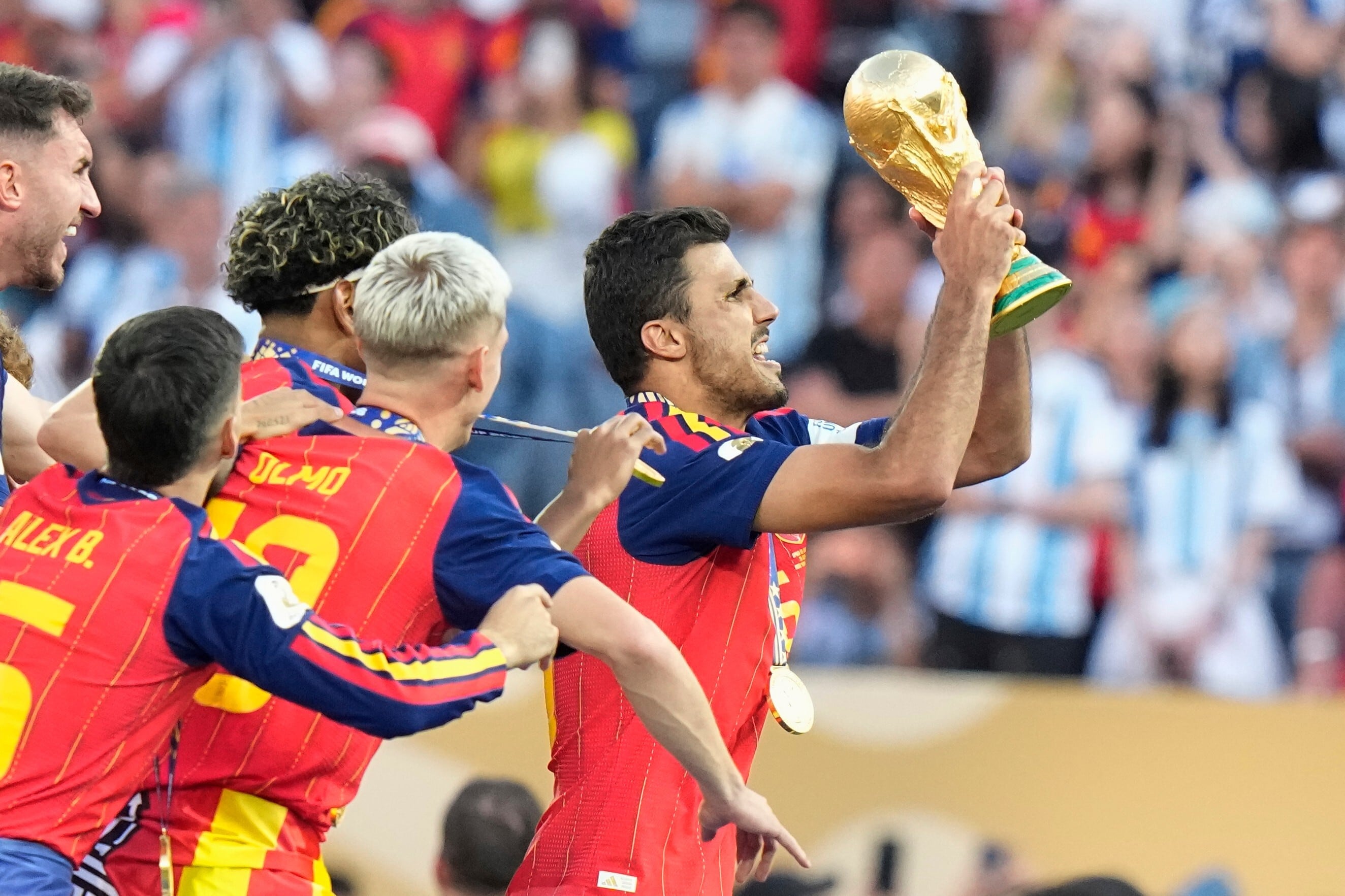
Fifty-five European football federations are set to be excluded from this year's FIFA U-20 and U-17 Women's World Cups. This potential boycott, initiated by UEFA, could extend to a long-term measure, resulting in European national teams missing out on at least 12 major competitions. The move signals a significant escalation in the ongoing dispute between UEFA and FIFA, impacting youth development and international participation for European nations. The specific details of the boycott's duration and scope are still being determined, but the immediate exclusion from the U-20 and U-17 Women's World Cups highlights the severity of the situation. This decision could have far-reaching consequences for players, coaches, and the overall landscape of international women's football. The affected federations will be unable to compete in these prestigious youth tournaments, potentially hindering the growth and exposure of emerging talent.
The escalating conflict between UEFA and FIFA over tournament participation and governance presents a critical juncture for international football. This boycott, if enacted, could fragment the global football calendar, creating separate competitive spheres that may disadvantage athletes and federations caught in the middle. Such divisions challenge the principle of universal access to global sporting events and could stifle the development of talent in regions subject to exclusion. Looking ahead, the long-term implications involve potential shifts in power dynamics and the establishment of alternative competitive structures, raising questions about the future of unified global football governance and the equitable distribution of opportunities.
AI-generated to prompt reflection — not editorial opinion, not advice, not a statement of fact. How this works.