Europeans Doubt Self-Defense Capability Amid Shifting Alliances
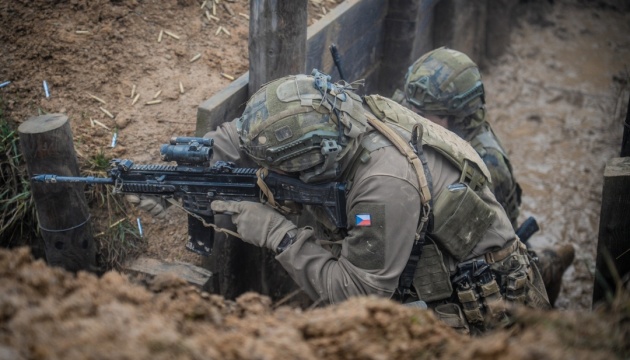
Europeans are increasingly expressing a desire to bolster their own defense capabilities and reduce reliance on the United States. This growing sentiment reflects a strategic shift towards greater autonomy in security matters across the continent. However, alongside this aspiration, significant doubts persist regarding Europe's actual capacity to effectively defend itself independently. The underlying concerns likely stem from a complex interplay of military readiness, resource allocation, and the geopolitical landscape. This internal debate highlights a critical juncture for European security policy, as nations grapple with the feasibility of achieving strategic independence.
The evolving European stance on defense reflects a strategic re-evaluation of geopolitical dependencies. As global dynamics shift, the desire for greater self-reliance in security is a rational response to potential changes in allied commitments. However, the expressed doubts underscore a significant challenge in translating aspiration into capability. This situation presents a complex trade-off between national sovereignty and collective security, prompting consideration of long-term investment in defense infrastructure, technological advancement, and unified strategic planning. The next decade will likely test Europe's ability to build resilient, independent defense mechanisms, potentially reshaping transatlantic security architectures.
AI-generated to prompt reflection — not editorial opinion, not advice, not a statement of fact. How this works.