Euthanasia Deaths in the Netherlands Increase Fivefold Over 25 Years
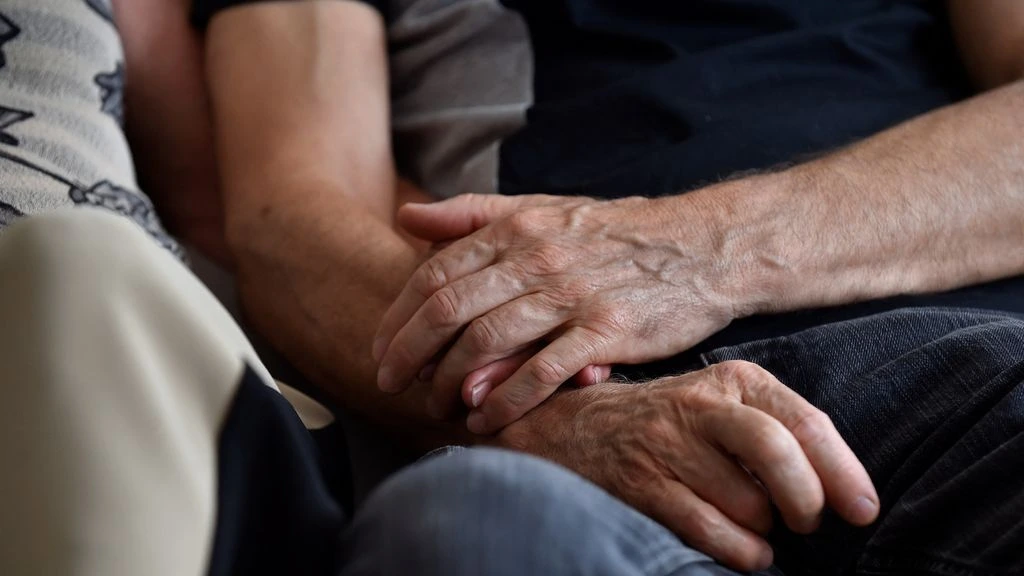
The number of people dying by euthanasia in the Netherlands has quintupled over the past 25 years, rising from approximately 2,000 annually to nearly 10,000 in 2024. This significant increase is attributed to several societal factors, including an aging population, a greater number of individuals living longer with chronic conditions, and a stronger societal emphasis on personal choice and autonomy. Research conducted by Radboudumc, UMC Utrecht, and Amsterdam UMC, commissioned by the Ministry of Health, investigated this rise in reported euthanasia cases.
In 2024, nearly 10,000 individuals in the Netherlands died by euthanasia, primarily those with long-standing physical ailments such as cancer or cardiovascular diseases, with most recipients aged between 70 and 80. The growing acceptance and visibility of euthanasia, partly due to media attention and enhanced patient information, have contributed to its increased practice. While cancer remains a common underlying reason, its relative proportion has decreased from 90% in 1999 to 54% in 2024, with a rise in cases related to chronic illnesses, psychological conditions, and dementia. Euthanasia for psychological conditions and advanced dementia is noted as complex and controversial, with calls for caution from experts.
The percentage of all deaths in the Netherlands attributed to euthanasia has grown from 1.6% in 1999 to 5.8% in 2024. Researchers suggest this increase is a logical response to societal shifts and does not inherently raise concerns, with many participants expressing confidence in the current Dutch system, which has permitted euthanasia under specific conditions since 2002. The process requires a physician's involvement, assessment by a second doctor, and the patient experiencing hopeless and unbearable suffering.
The observed fivefold increase in euthanasia deaths in the Netherlands over 25 years reflects a complex interplay of demographic shifts, evolving societal values regarding autonomy and quality of life, and increased accessibility and public discourse surrounding end-of-life choices. While the research suggests the rise is a logical consequence of societal changes and confidence in the existing legal framework, it also highlights growing complexities, particularly concerning euthanasia for psychological conditions and dementia. Future considerations may involve ensuring robust safeguards and ethical guidelines keep pace with these evolving applications, balancing individual autonomy with the inherent sensitivities of such profound decisions. The trend also underscores broader discussions about aging populations, chronic disease management, and the societal definition of suffering in the context of advanced medical capabilities.
AI-generated to prompt reflection — not editorial opinion, not advice, not a statement of fact. How this works.