EV Charging Network Improves, Making Long-Distance Travel More Viable
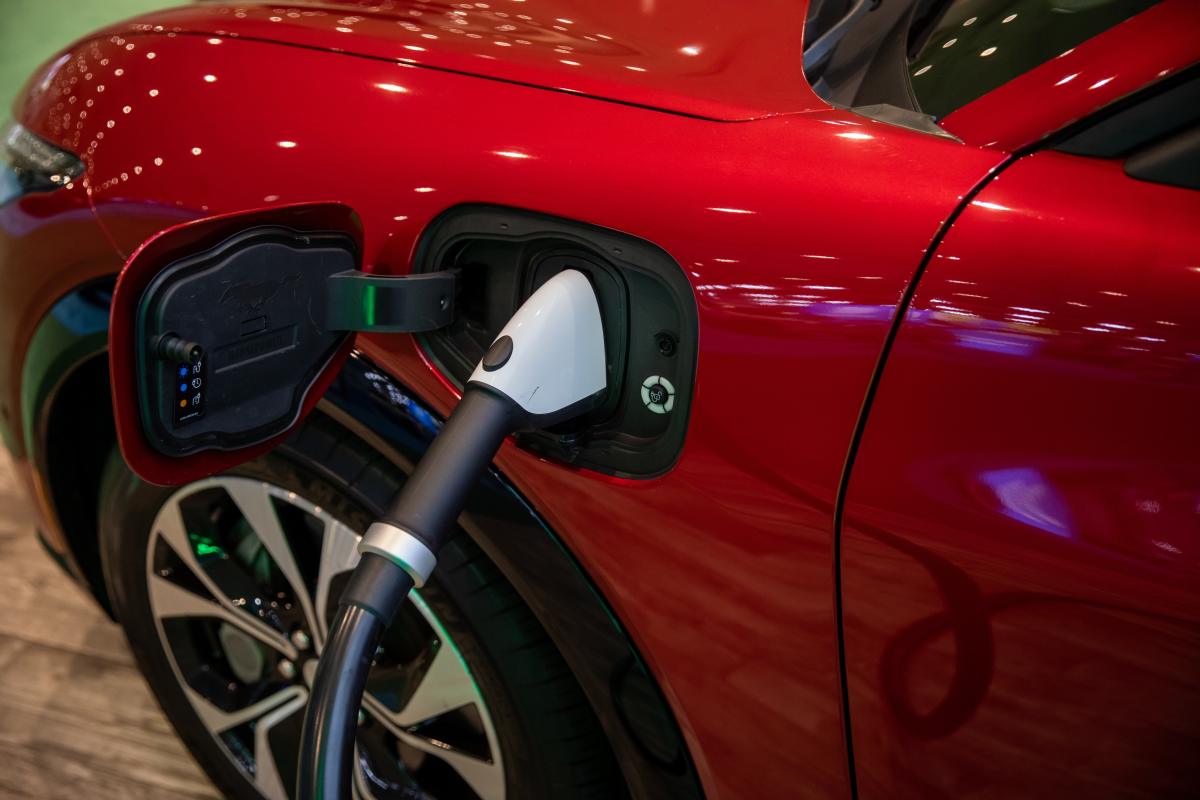
A recent 600-mile road trip across the United States demonstrated a significant improvement in the reliability and speed of DC Fast charging stations for electric vehicles (EVs). The journey indicated that the infrastructure has advanced to a point where long-distance travel in an EV is no longer a major inconvenience. This development suggests a positive trend for EV adoption, addressing a key concern for potential buyers regarding charging accessibility and wait times. The improved charging experience observed during the trip highlights the growing maturity of the EV ecosystem. As charging speeds increase and station availability becomes more widespread, the practicality of EVs for everyday use and extended travel is enhanced. This evolution is crucial for the transition towards more sustainable transportation options. The data gathered from the road trip provides concrete evidence of these advancements. The findings offer reassurance to consumers considering the switch to electric vehicles.
The observed improvements in EV charging infrastructure suggest a maturing market, addressing a critical bottleneck for wider adoption. As charging speeds and reliability increase, the economic incentives for both consumers and manufacturers shift, potentially accelerating the transition away from fossil fuel-dependent vehicles. This evolution aligns with broader technological trends and societal pressures for decarbonization. However, continued investment and strategic planning are necessary to ensure equitable access and prevent the emergence of new disparities in charging availability across different regions and socioeconomic groups. The long-term viability will depend on the integration of charging networks with grid modernization and renewable energy sources.
AI-generated to prompt reflection — not editorial opinion, not advice, not a statement of fact. How this works.