Evangelical Hot Dog Stand 'Cachorro Crente' Achieves $154,000 Monthly Revenue
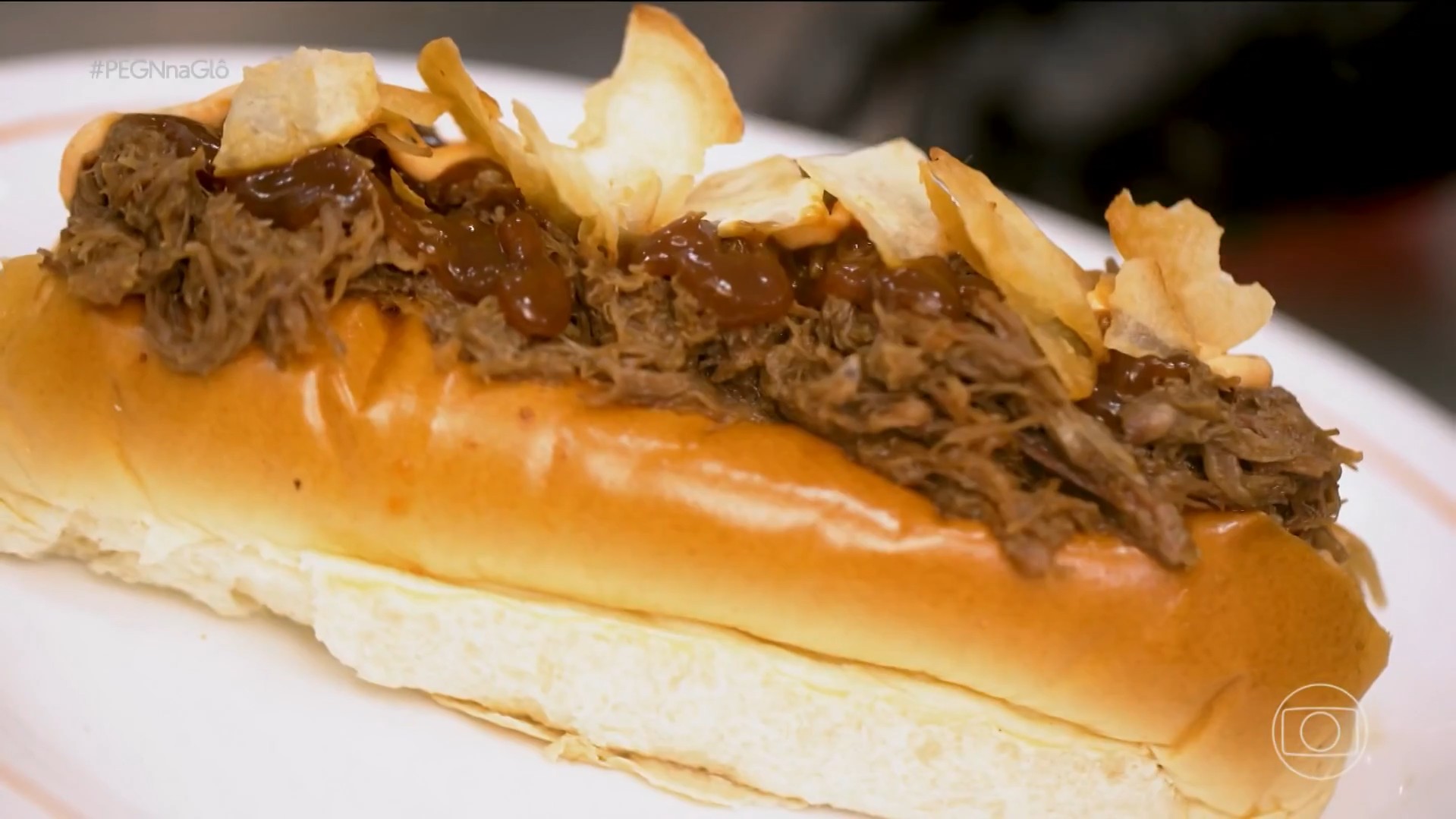
A unique hot dog business, known as 'Cachorro Crente' (Evangelical Hot Dog), has emerged in Rio de Janeiro, Brazil, catering specifically to evangelical churchgoers. The concept was conceived by entrepreneur Leandro Lima, who noticed a lack of social spaces for congregants to gather and have a snack after religious services. Lima, with prior experience in entertainment and event production, saw commercial potential in the idea and the catchy name. He invested approximately R$ 85,000 to start with a hot dog cart, which quickly gained traction and received invitations to events at churches. The initial revenue was around R$ 12,000 per month, validating the business model. Following this success, Lima secured investment and opened a physical store, investing R$ 700,000 in the location. The store is strategically situated near a large church to leverage the natural flow of attendees. In its first month of operation, the physical store generated R$ 154,000 in revenue. The establishment aligns with its target audience by not serving alcohol, playing Christian music, and adjusting its hours to accommodate church schedules, though it welcomes all customers. The menu features diverse hot dog options, including regional and international inspirations, sweet versions, and even a pizza-dough preparation. Lima emphasizes the importance of presentation and customer experience, drawing from his entertainment background. He believes patience, market research, and dedication are key to making 'Cachorro Crente' a national fast-food reference.
The 'Cachorro Crente' venture illustrates how niche market identification, coupled with a deep understanding of a specific community's social habits and preferences, can lead to significant commercial success. By creating an environment that resonates with the evangelical community's post-service social needs and values—such as avoiding alcohol and playing Christian music—the business taps into a loyal customer base. This approach highlights a broader trend in consumerism where identity and shared values increasingly influence purchasing decisions. The entrepreneur's background in event management likely contributed to a strong focus on customer experience and brand presentation, crucial elements in today's visually driven social media landscape. Future growth may depend on balancing the preservation of its core identity with broader market appeal, navigating the potential challenges of scaling while maintaining authenticity and community connection.
AI-generated to prompt reflection — not editorial opinion, not advice, not a statement of fact. How this works.