Evidence that could overturn conviction held by 5 prosecutors but not disclosed in Fukui case
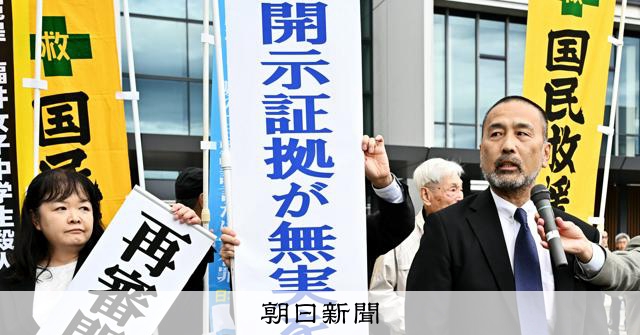
A report has revealed that five prosecutors were aware of evidence that could potentially overturn a conviction in the Fukui case but failed to disclose it. This significant finding raises serious questions about the integrity of the judicial process in this particular instance. The report details how crucial information, which might have exonerated the accused, was kept from the defense. Such omissions can have profound implications for justice and the trust placed in the legal system. The specifics of the evidence and the reasons for its non-disclosure are central to the ongoing review of the case. This situation underscores the importance of transparency and the ethical obligations of prosecutors to ensure fair trials. The implications of this non-disclosure are being closely examined, with potential ramifications for the convicted individual and the broader legal community. Further investigation into the handling of this evidence is expected to shed more light on the circumstances surrounding the Fukui case.
The non-disclosure of potentially exculpatory evidence by multiple prosecutors in the Fukui case presents a critical challenge to due process. This situation highlights systemic risks within prosecutorial offices where internal review mechanisms may fail to ensure complete disclosure. The incentive structures for prosecutors often prioritize conviction, which can inadvertently create a bias against revealing information that might weaken the state's case. Examining this event through a futurist lens, the increasing reliance on data and AI in legal proceedings necessitates robust protocols for evidence management and disclosure. Failures in transparency, as seen here, erode public trust and can lead to wrongful convictions, posing significant societal and ethical costs. Ensuring accountability and refining disclosure protocols are paramount to upholding justice in an era of complex legal data.
AI-generated to prompt reflection — not editorial opinion, not advice, not a statement of fact. How this works.