Evolution of Spain's Goalkeeping Role: From Casillas to Simón
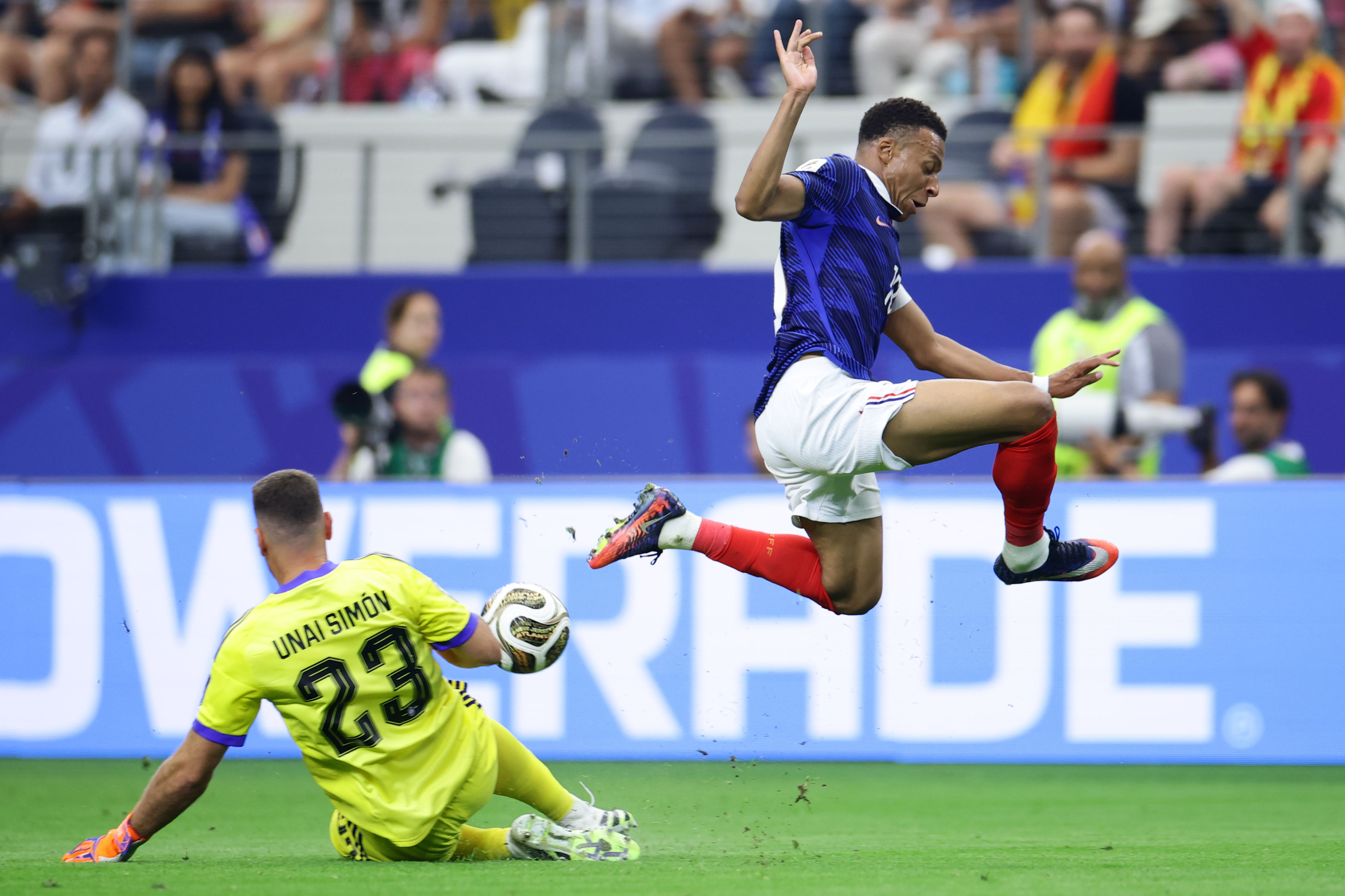
Unai Simón's role as goalkeeper for the Spanish national team in the 2026 World Cup differs significantly from that of Iker Casillas during the 2010 World Cup in South Africa. While Simón may not lead in the number of saves made, his impact extends beyond shot-stopping. He actively supports the defense and participates in building play from the back, showcasing a more modern and integrated approach to the goalkeeper position. This evolution reflects a broader shift in football tactics, where goalkeepers are increasingly involved in possession and distribution, rather than solely focusing on preventing goals. Casillas, a legendary figure, represented a more traditional goalkeeping style during his era. Simón's contributions highlight the changing demands and expectations placed upon goalkeepers in contemporary football.
The shift in the goalkeeper's role from Iker Casillas to Unai Simón illustrates a tactical evolution within the Spanish national team, driven by modern football's emphasis on ball possession and build-up play. This transition from a more traditional shot-stopper to a 'sweeper-keeper' involved in defensive organization and distribution reflects broader trends influenced by data analytics and coaching philosophies prioritizing positional play. The effectiveness of this new role will be tested by opponents' pressing strategies and the team's ability to adapt under pressure, highlighting the ongoing strategic adaptation required in elite international football.
AI-generated to prompt reflection — not editorial opinion, not advice, not a statement of fact. How this works.