Ex-Alerj President 'Barba' Linked to Nearly $4 Million in Payments from Gambler
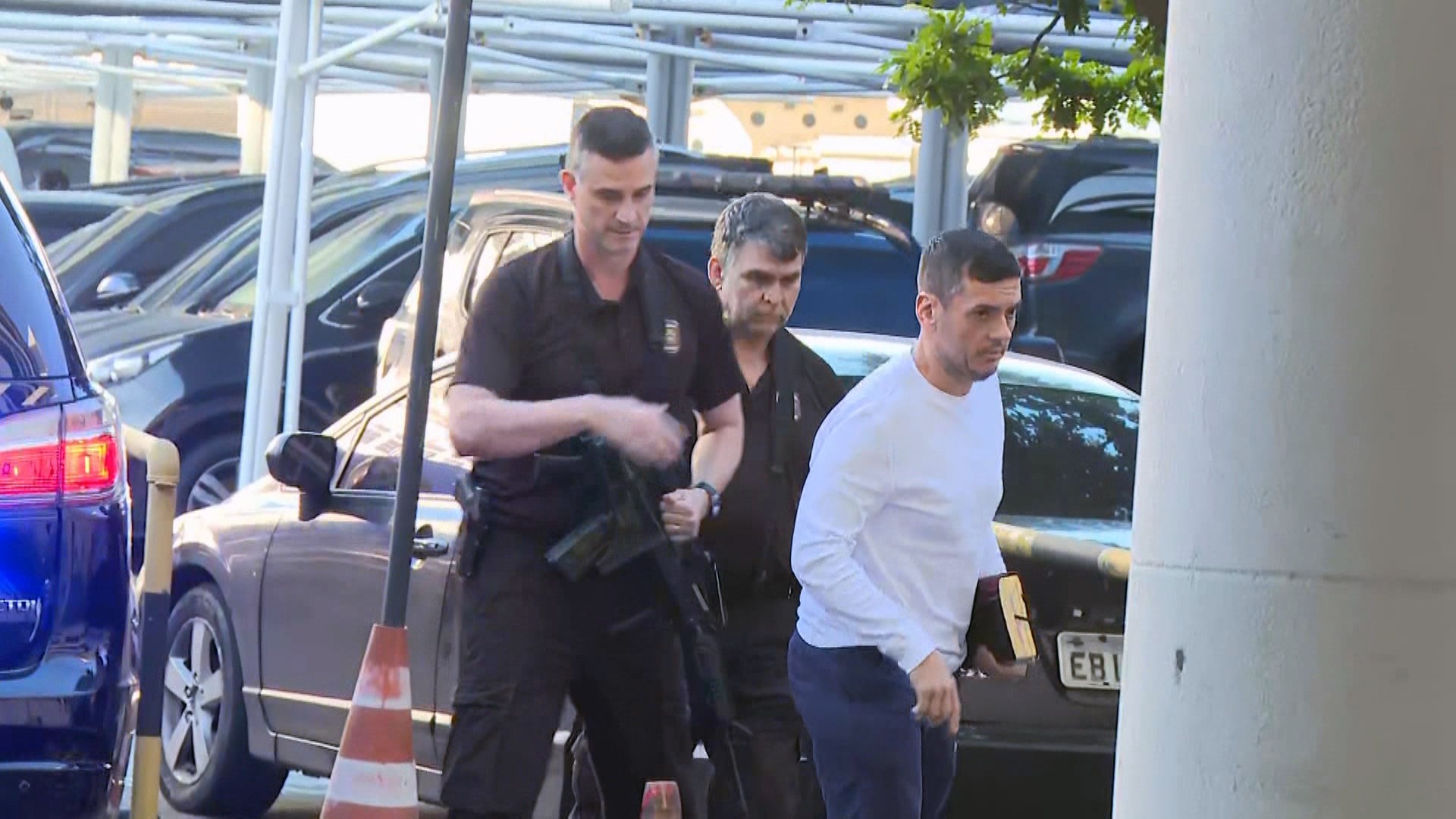
The Federal Police (PF) has launched the fifth phase of Operation Unha e Carne in Rio de Janeiro, investigating alleged payments from gambler Adilson Oliveira Coutinho Filho, known as Adilsinho, to former President of the Legislative Assembly of Rio de Janeiro (Alerj), Rodrigo Bacellar. According to reports, Bacellar, identified by the codename 'Barba' in criminal group spreadsheets, may have received nearly R$ 4 million. The investigation uncovered financial records detailing three cash payments totaling R$ 2 million in July, R$ 925,000 in August, and R$ 1 million in September, though the specific year for these transactions was not detailed. The PF's investigation suggests that Adilsinho referred to corrupt politicians as 'clients' and meticulously recorded both cash transactions and bank transfers. Bacellar, who is reportedly always paid in cash, is a member of the União Brasil party. The defense for Adilsinho has denied the accusations. The operation also led to the arrest of Pastor Márcio Poncio. Both Adilsinho and Bacellar were already in custody; Bacellar is set to be transferred from Bangu Penitentiary Complex to a federal prison. Adilsinho has been detained since February and is considered a key figure in the 'Cigarette Mafia' in Rio de Janeiro, which reportedly controlled at least 45 municipalities in the state by 2024, dictating which cigarette packs could be sold. During a previous operation in November 2022, police found lists of politicians within Adilsinho's belongings, reportedly totaling at least 25 names. Supreme Court Minister Alexandre de Moraes issued arrest warrants and search and seizure orders, also targeting former deputy Marco Antônio Cabral, son of ex-governor Sérgio Cabral, and ordering the seizure of assets up to R$ 22 million.
This investigation into alleged financial dealings between a political figure and a suspected organized crime figure highlights systemic vulnerabilities in campaign finance and political integrity. The use of codenames and cash transactions suggests deliberate efforts to obscure illicit activities, posing challenges for law enforcement and regulatory oversight. The scale of alleged payments and the involvement of multiple political figures indicate potential widespread corruption, demanding robust accountability mechanisms. Future governance frameworks may need to incorporate enhanced transparency measures and stricter enforcement to mitigate such risks and ensure public trust in democratic institutions.
AI-generated to prompt reflection — not editorial opinion, not advice, not a statement of fact. How this works.