Ex-Anti-Corruption Office Official Details Payments to BTU During Macri Administration
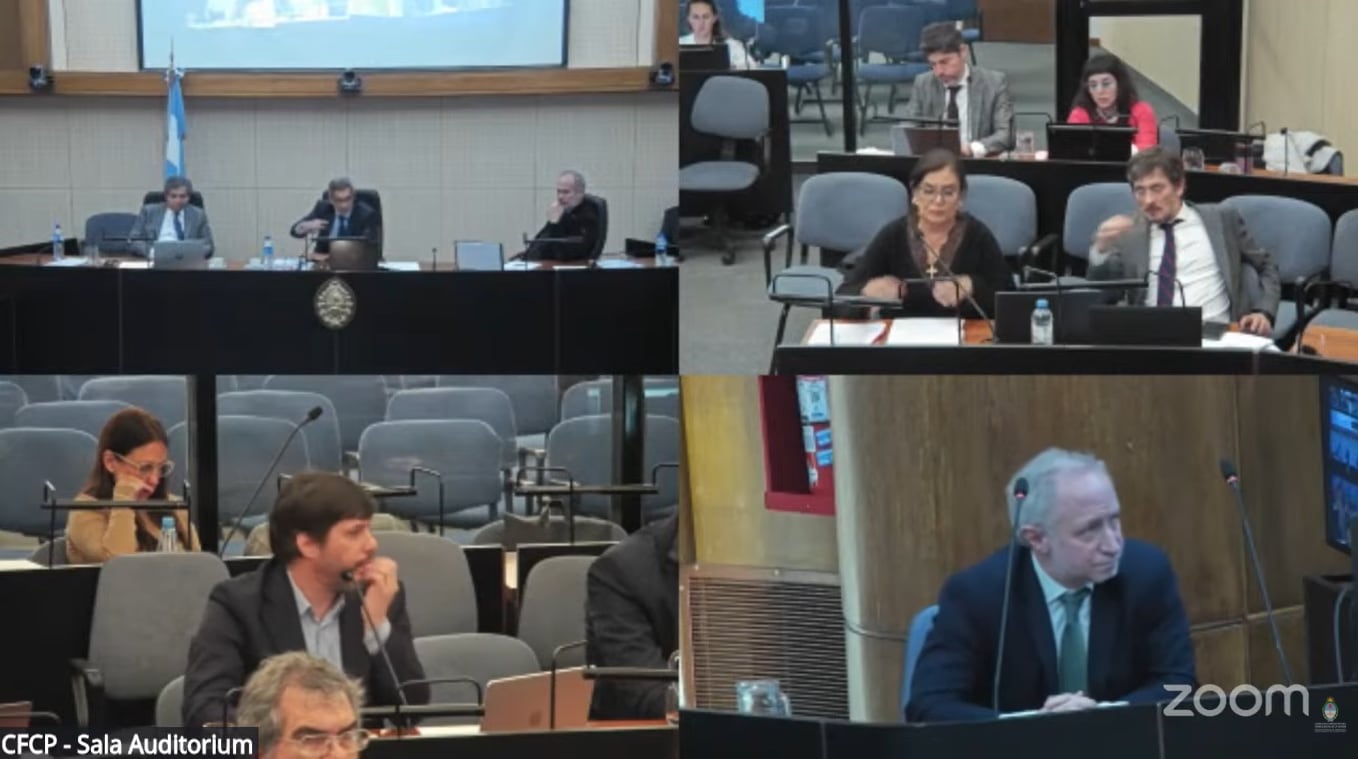
A former executive from Argentina's Anti-Corruption Office (OA) has revealed significant coincidences between financial disbursements made to the company BTU and meetings held with government officials. BTU, owned by Carlos Mundín, reportedly received payments shortly before engaging in meetings with officials during the administration of former President Mauricio Macri. This testimony emerged during the ongoing investigation into the 'Cuadernos de las Coimas' (Notebooks of Bribes) case. The former OA official's statement provides new details about the alleged illicit activities. The investigation focuses on a network suspected of receiving bribes in exchange for public works contracts. The former executive's testimony aims to shed light on the alleged corruption schemes that may have operated during that period. The revelations could have significant implications for the ongoing judicial process and the individuals involved. The 'Cuadernos de las Coimas' case has already led to numerous arrests and indictments, exposing a vast alleged corruption ring.
This testimony highlights potential systemic governance failures where corporate financial flows appear correlated with official engagements, suggesting a possible incentive structure for preferential treatment in public contracting. The former official's disclosure, emerging from a period of governmental transition, raises questions about oversight mechanisms and the effectiveness of anti-corruption bodies in preventing or detecting such alleged patterns. Examining the regulatory framework and enforcement practices during that era is crucial for understanding how such coincidences might arise and whether they indicate a deliberate manipulation of public resources. Future policy considerations could involve strengthening transparency in lobbying activities and enhancing the independence and investigative powers of anti-corruption agencies to mitigate risks of undue influence in public procurement.
AI-generated to prompt reflection — not editorial opinion, not advice, not a statement of fact. How this works.
