Ex-Army Soldier Charged with Femicide of Federal Police Officer in Paraná
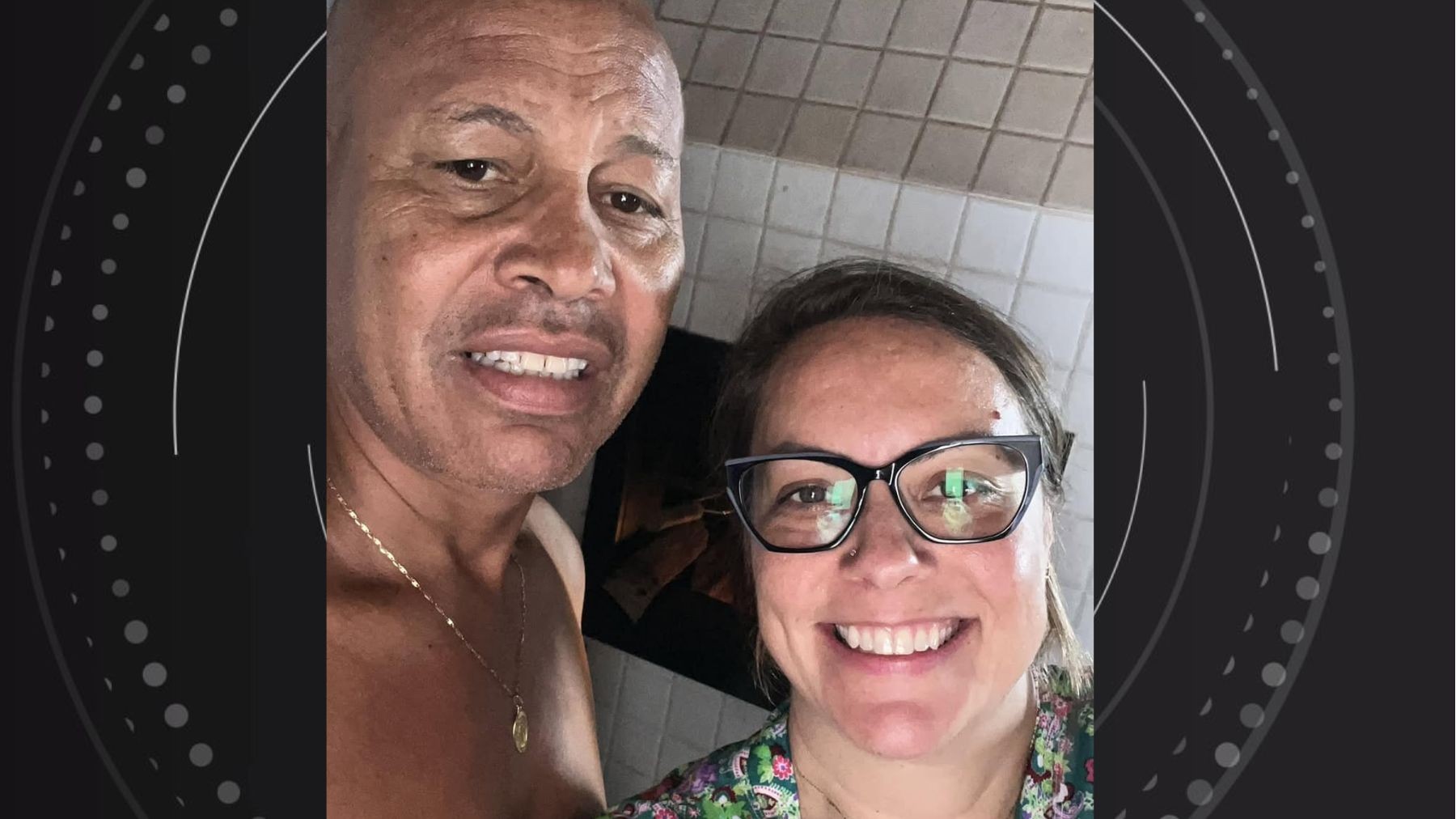
A retired Army soldier, 58-year-old Júlio César Valteman, has been formally charged with the femicide of his wife, 44-year-old Federal Police officer Vanessa Marty. The Paraná Justice system accepted the prosecution's case against Valteman, making him a defendant in the crime. The incident occurred in Cascavel, western Paraná, on June 24th, following the couple's return from a bar where they had watched a football match. Initially, Valteman reported that his wife had shot herself. However, the investigation uncovered contradictions in his statement and evidence suggesting the crime scene was altered. The Public Prosecutor's Office of Paraná stated there is sufficient evidence to hold Valteman responsible for his wife's death. The couple had been together for approximately 15 years and have a daughter. According to authorities, their relationship was tumultuous, and Valteman's behavior was reportedly known within their social circle. The defense argued that the charges were premature, pending technical evidence, and highlighted Marty's history of mental health issues and a previous suicide attempt. Despite these claims, the prosecution maintains that current evidence supports the accusation, though some forensic analyses are ongoing. Investigators found that the firearm, registered to Valteman, was used in the shooting. Forensic evidence reportedly contradicts Valteman's account, with findings inconsistent with suicide, such as the distance of the shot and the absence of specific ballistic marks on the victim. Security camera footage, provided by Valteman, indicated the shot occurred inside the vehicle, and Valteman allegedly delayed checking on his wife for about three minutes after hearing the shots.
This case highlights the critical importance of thorough forensic investigation in domestic violence and femicide allegations, particularly when initial accounts are contradicted by physical evidence. The prosecution's reliance on ballistic analysis and crime scene inconsistencies, versus the defense's emphasis on the victim's mental health history, presents a complex legal and social challenge. Future legal proceedings will likely focus on reconciling these differing evidentiary streams. This situation underscores the systemic need for robust support systems for individuals experiencing domestic conflict and the imperative for law enforcement to meticulously investigate all suspicious deaths, irrespective of initial narratives, to ensure justice and prevent potential miscarriages of law.
AI-generated to prompt reflection — not editorial opinion, not advice, not a statement of fact. How this works.