Ex-CDC Official Cautions Over RFK Jr.'s Alleged Attempts to Reshape Agency
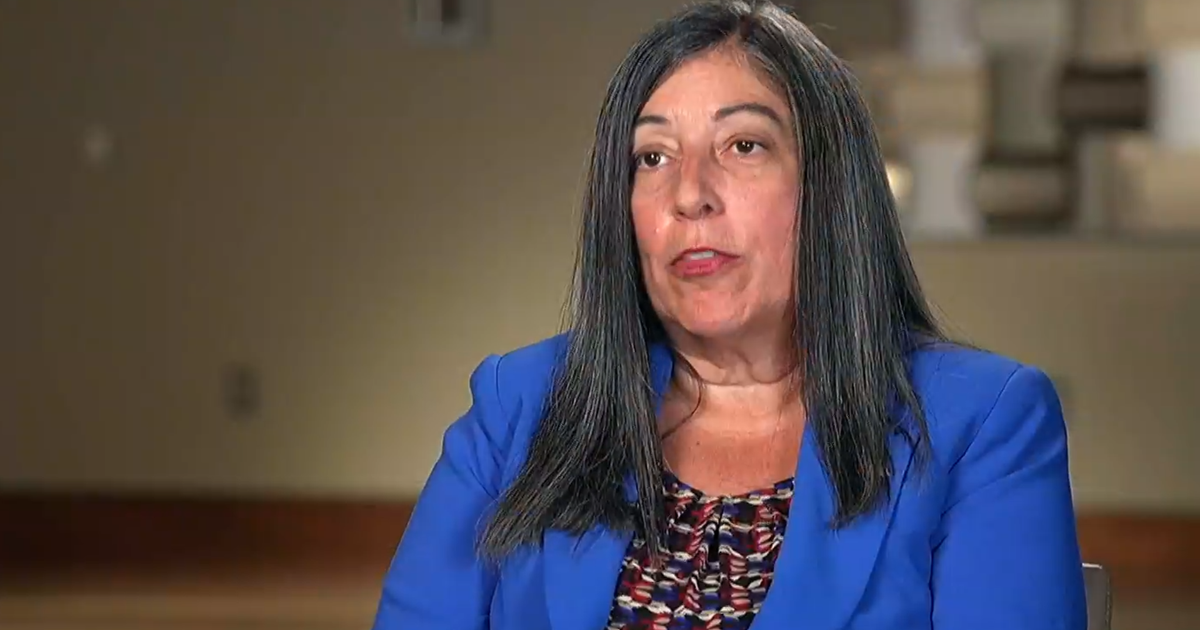
Dr. Debra Houry, former chief medical officer at the Centers for Disease Control and Prevention (CDC), has voiced concerns regarding potential threats to the "scientific integrity" of federal health agencies. Houry described a period of "pure chaos" during the time Robert F. Kennedy Jr. was reportedly seeking to transform the agency. Her statements suggest that efforts to alter the CDC's structure or operations under Kennedy's influence could have jeopardized its core scientific mission. The "pure chaos" she alluded to indicates a period of significant disruption and uncertainty within the agency. Houry's position as chief medical officer placed her in a critical role overseeing the scientific and medical operations of the CDC. Her warning implies that the agency's ability to conduct unbiased research and provide reliable public health guidance may have been compromised. The specific nature of Kennedy's alleged attempts to "transform" the agency remains a key point of concern. Houry's testimony highlights the importance of safeguarding the independence and scientific rigor of public health institutions.
This account raises questions about the governance and operational independence of public health institutions like the CDC. The described "chaos" and alleged attempts at "transformation" suggest potential conflicts between political or personal agendas and the established scientific protocols of such agencies. Ensuring that federal health bodies maintain their scientific integrity is paramount, particularly in an era where public trust in institutions is increasingly vital. Future policy discussions might explore enhanced safeguards to insulate scientific decision-making from undue external pressures, thereby preserving the evidence-based foundation necessary for effective public health strategies over the long term. This situation underscores the ongoing challenge of balancing diverse stakeholder interests with the imperative of maintaining objective scientific standards.
AI-generated to prompt reflection — not editorial opinion, not advice, not a statement of fact. How this works.