Ex-CIA Officer Discusses Iran's Strait of Hormuz Ship Attacks
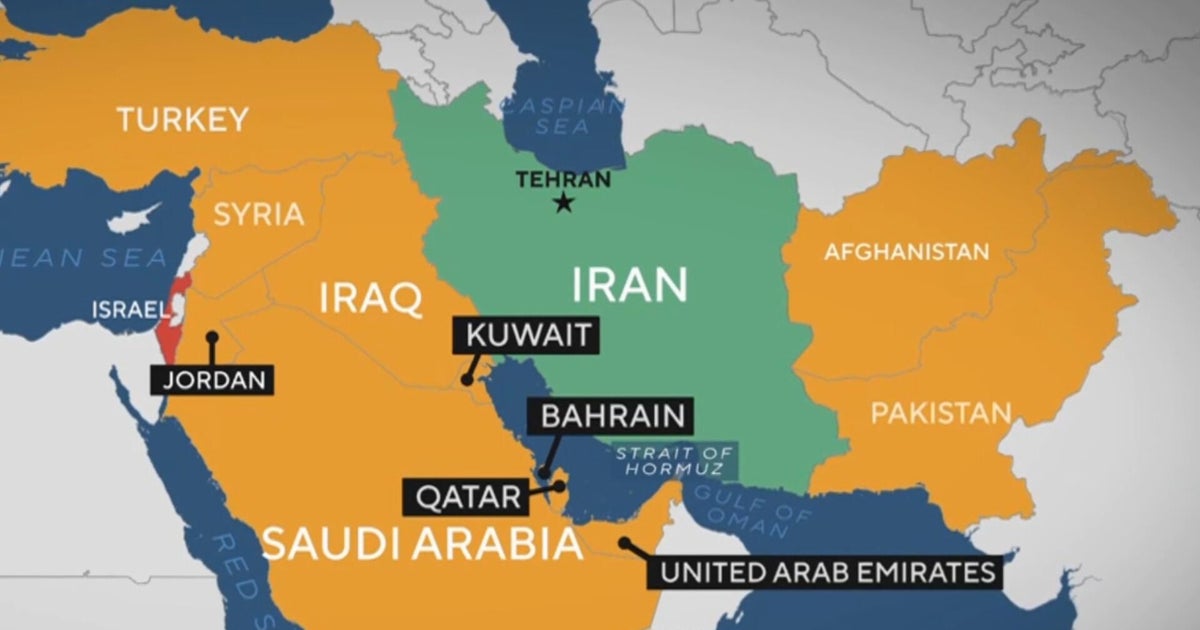
Senior U.S. officials have revealed that Iran has privately communicated to mediators that its recent attacks on commercial ships in the Strait of Hormuz were a misstep. According to these officials, Iran attributed the incidents to hardline elements within the country who are seeking to disrupt ongoing negotiations. Elliot Ackerman, a former CIA officer and a CBS News contributor, provided further insights into this developing situation. The U.S. officials' statements suggest a potential internal struggle within Iran regarding its foreign policy and engagement in international talks. This revelation could have significant implications for regional stability and the broader geopolitical landscape. The specific mediators involved and the timeline of Iran's private communication were not detailed. However, the acknowledgement of a "mistake" by Iran, even if attributed to internal factions, may open avenues for de-escalation. The role of hardliners in Iranian politics is often cited as a factor influencing its international relations and domestic policies. Ackerman's analysis is expected to shed light on the motivations behind these actions and their potential consequences.
The reported private communication from Iran acknowledging a "mistake" in the Strait of Hormuz attacks, while blaming internal hardliners, presents a complex geopolitical dynamic. This narrative, if accurate, suggests a potential divergence between factions within the Iranian government regarding engagement with international negotiations and regional actions. From a systemic perspective, such internal friction can be a consequence of competing policy objectives and power struggles, particularly in the context of international sanctions and diplomatic overtures. The framing of the incident as an act by "hardliners" could serve to distance the current leadership from responsibility, potentially aiming to preserve diplomatic channels while appeasing domestic hardline constituencies. Understanding the incentive structures driving these internal factions will be crucial in assessing the future trajectory of Iran's foreign policy and its impact on global maritime security in the coming decade.
AI-generated to prompt reflection — not editorial opinion, not advice, not a statement of fact. How this works.