Ex-Commander Sentenced in Argentina's Submarine Disaster Killing 44
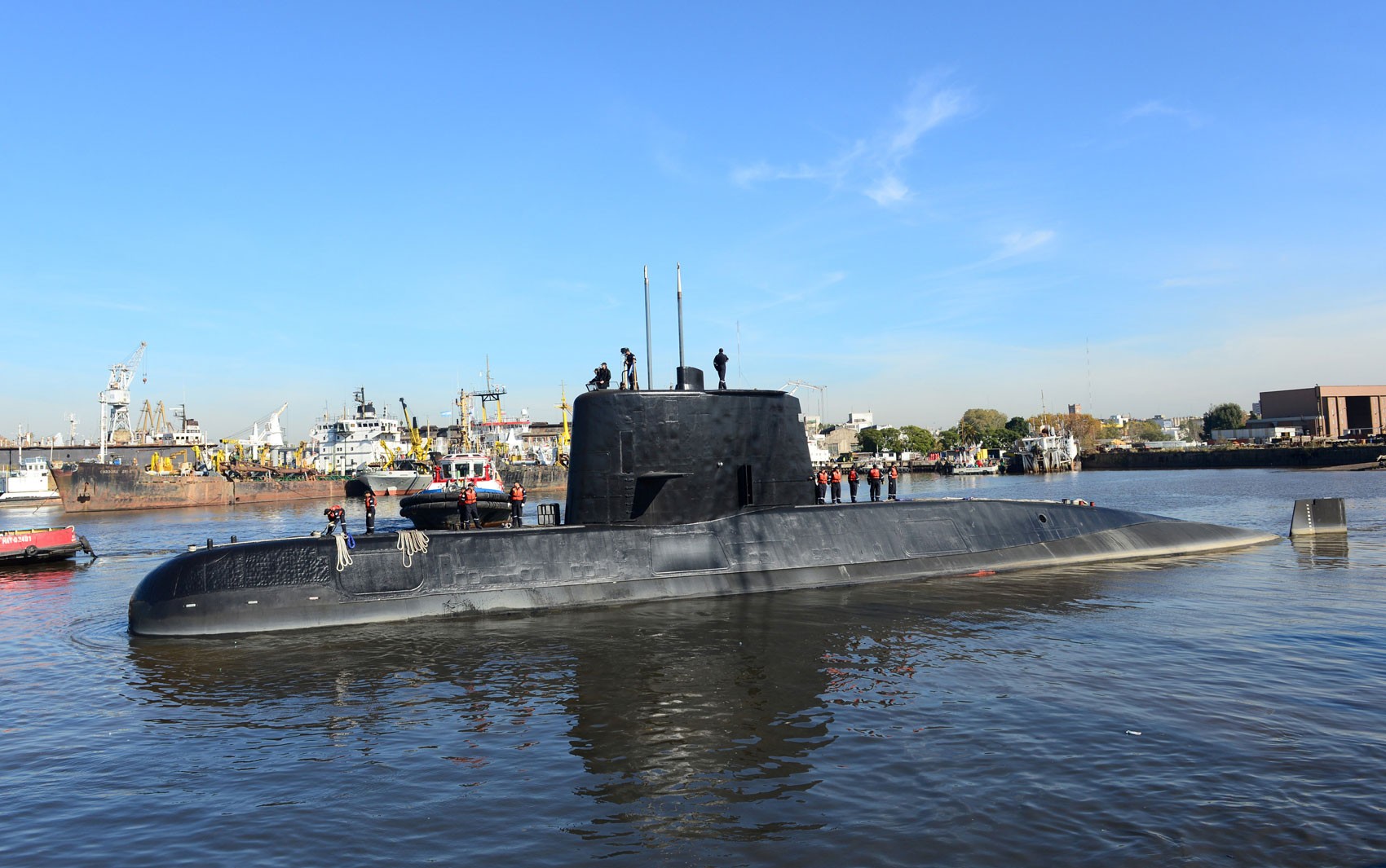
An Argentine court has sentenced former Submarine Force Commander Claudio Villamide to three years in prison for his role in the 2017 sinking of the ARA San Juan submarine, which resulted in the deaths of all 44 crew members. The vessel imploded in the South Atlantic, marking one of the Argentine Navy's worst peacetime tragedies. Villamide was found guilty of negligence and dereliction of duty by the federal court in Santa Cruz province. However, the sentence is conditional, meaning he is unlikely to be incarcerated but must report his whereabouts and present himself to authorities during his sentence. Three other naval commanders, Luis Enrique López Mazzeo, Héctor Aníbal Alonso, and Hugo Correa, were acquitted. The prosecution had sought a five-year sentence for Villamide, citing his failure to account for the submarine's deficient readiness conditions. The submarine had reportedly begun its patrol mission with suboptimal conditions, including an immersion restriction due to pending tests after repairs. The exact cause of the sinking remains unclear, though the submarine had reported a battery room fire and short circuit before submerging beyond 100 meters and imploding. The submarine's wreckage was found a year later, over 900 meters deep, off the Argentine coast, and has not been recovered. Families of the victims have expressed dissatisfaction with the verdict, deeming the punishment insufficient and plan to appeal the acquittals and the leniency of Villamide's sentence. The lawyer for the families highlighted the importance of proving Villamide's culpability, emphasizing that the 44 deaths were preventable and serving as a message to the armed forces and the state regarding the care of personnel.
This verdict addresses accountability for the ARA San Juan tragedy, but the conditional sentence and acquittals raise questions about the robustness of naval oversight and accountability mechanisms. The legal process has established negligence on the part of a former commander, yet the broader systemic issues contributing to the loss of 44 lives, including maintenance protocols and risk assessment for aging naval assets, may remain unaddressed. Future naval operations will likely face increased scrutiny regarding equipment readiness and crew safety, potentially influencing procurement and maintenance budgets. The families' intent to appeal underscores the ongoing demand for comprehensive justice and may push for a more thorough examination of the chain of command and operational decision-making processes within the Argentine Navy, particularly in light of technological advancements and evolving maritime safety standards in the coming decade.
AI-generated to prompt reflection — not editorial opinion, not advice, not a statement of fact. How this works.