Ex-Governor Edilson Damião Reconsiders Roraima Gubernatorial Bid, Eyes Senate or Federal Chamber
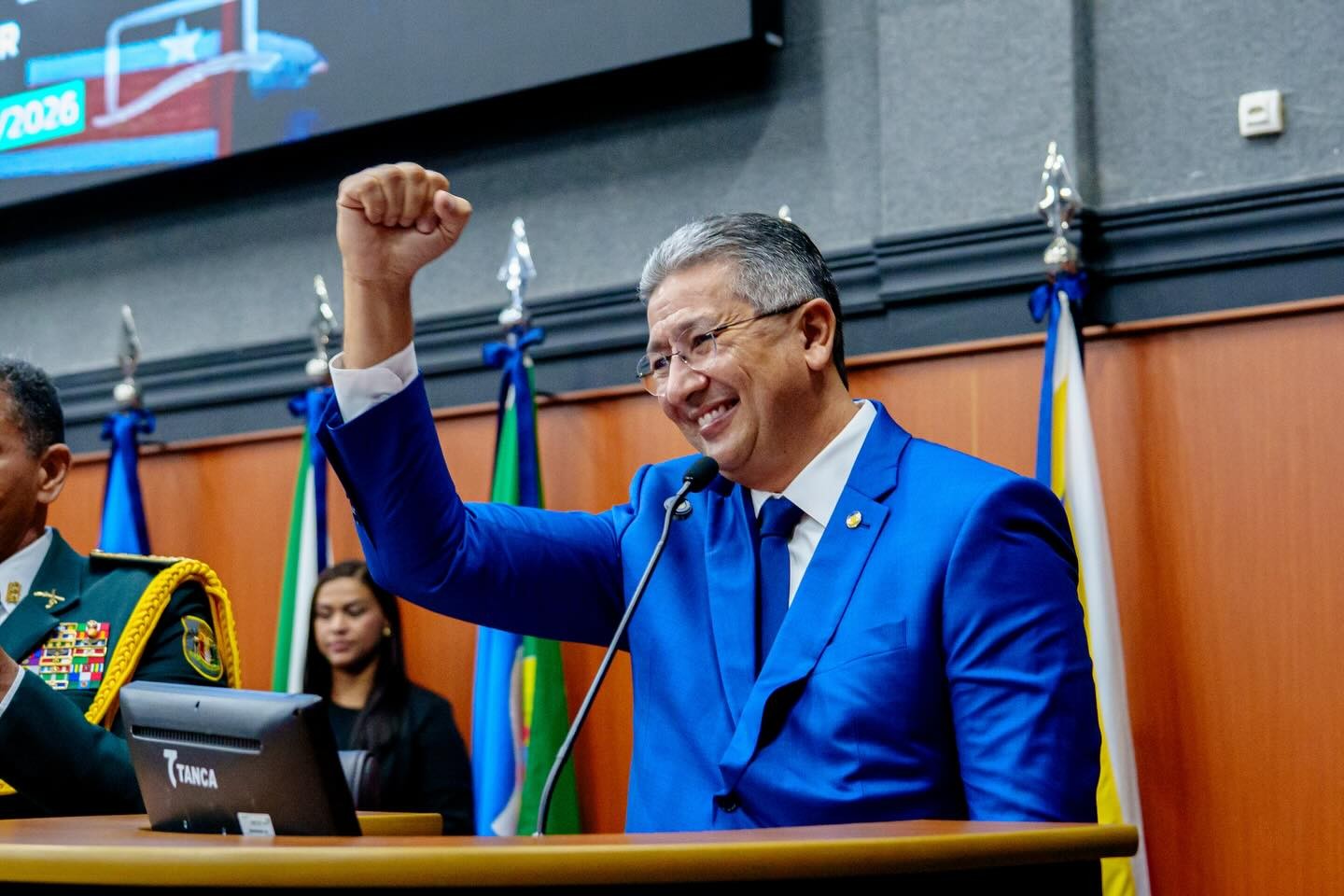
Former Roraima governor Edilson Damião, whose 34-day tenure was cut short by an electoral crime conviction, is reconsidering his candidacy for the state's governorship in the upcoming October elections. Damião, affiliated with the União Brasil party, stated in an interview that he is now exploring options to run for a seat in the Senate or the Federal Chamber. This strategic shift aims to maximize the União Brasil party's chances of electing a greater number of representatives. Damião had initially announced his pre-candidacy for governor last October, while serving as vice to Antonio Denarium. Both Damião and Denarium were subsequently convicted by the Superior Electoral Court (TSE) for political and economic abuse during the 2022 elections, leading to Damião's impeachment and Denarium's ineligibility. Despite the political fallout, Damião denies any rift with Denarium, emphasizing their ongoing friendship and daily conversations, though he has not discussed electoral plans with him. Damião's political history with Denarium includes serving as his vice-governor in 2022. The original plan was for Denarium to run for the Senate while Damião sought the governorship. Denarium resigned in March, briefly handing power to Damião before the TSE's ruling. Damião did not participate in the subsequent supplementary election, which saw Denarium support Arthur Henrique. Damião asserts that party colleagues are obligated to support the candidate designated by União Brasil, regardless of the specific office sought. The party is expected to finalize its candidacies by the August 5 deadline for conventions.
The electoral landscape in Roraima presents a complex dynamic for Edilson Damião, whose prior gubernatorial term was exceptionally brief due to legal disqualification. His current reevaluation of candidacies, shifting from governor to potentially federal roles, reflects an adaptive strategy within the União Brasil party to optimize electoral outcomes. This situation highlights the intricate interplay between personal political ambition, party strategy, and the impact of judicial rulings on electoral participation. The analysis of Damião's decision involves understanding the incentive structures that drive coalition building and candidate placement, particularly in the context of a party aiming to maximize its representation across different legislative and executive branches. Future electoral cycles will likely continue to be shaped by such strategic realignments, influenced by evolving legal frameworks and the pursuit of political leverage.
AI-generated to prompt reflection — not editorial opinion, not advice, not a statement of fact. How this works.