Ex-guerrilla fighter Dora María Téllez calls Ortega a 'lifelong dictator' of Nicaragua
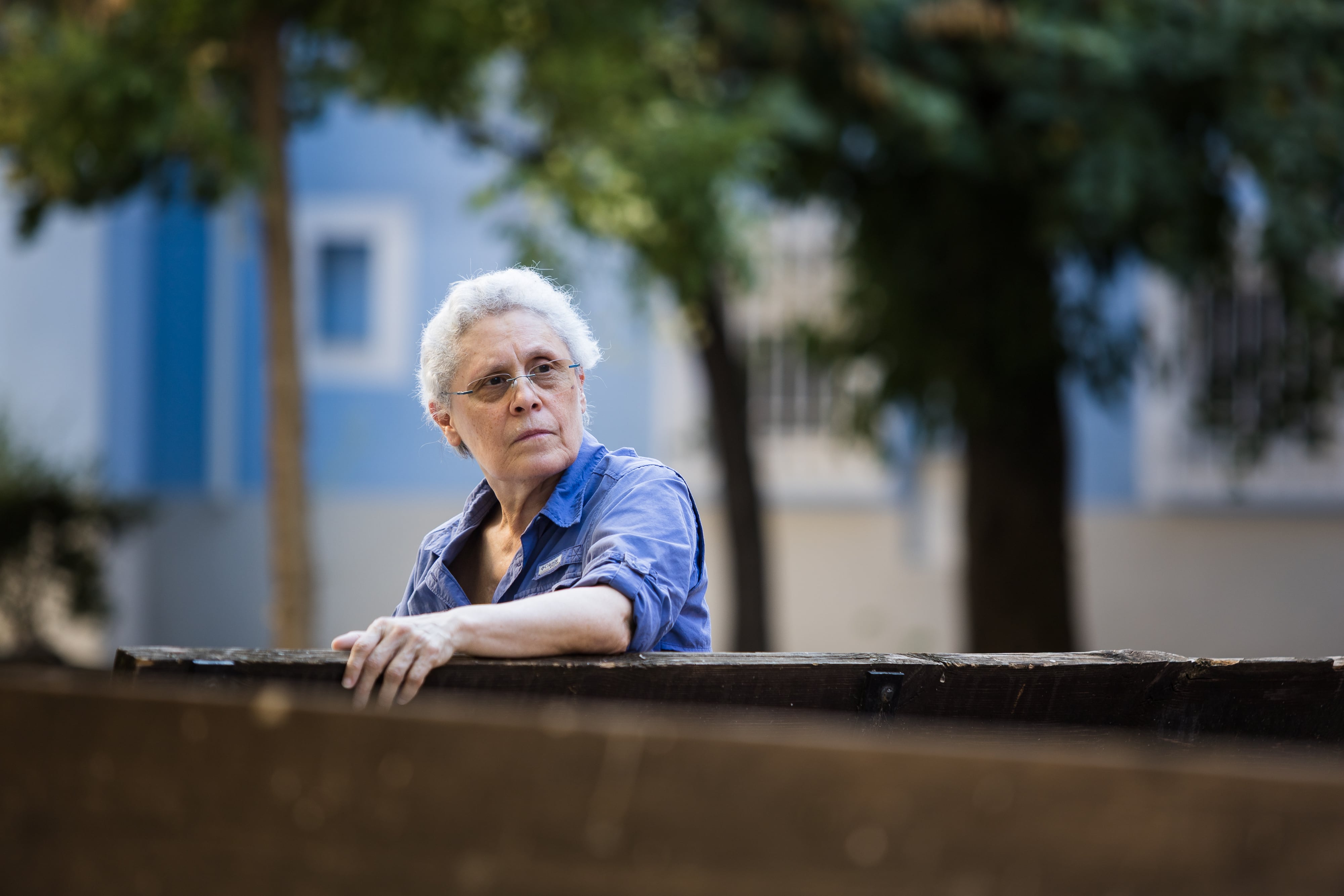
Dora María Téllez, a legendary revolutionary militant and former guerrilla fighter, has stated that Nicaraguan President Daniel Ortega has become a "lifelong dictator." Téllez, who is currently living in exile in Spain, asserts that the regime led by Daniel Ortega and Rosario Murillo is experiencing a "terminal crisis." She is a prominent figure from the Sandinista revolution, which overthrew the Somoza dictatorship in 1979. Her current assessment reflects a significant shift from the revolutionary ideals she once championed. Téllez's remarks highlight the deep political divisions and criticisms leveled against the current Nicaraguan government. The exiled militant's statements are made from Spain, emphasizing her distance from the political situation in her home country. The regime's alleged "terminal crisis" suggests a perception of instability and potential collapse.
The assertion by Dora María Téllez that Daniel Ortega has become a "lifelong dictator" and that his regime is in "terminal crisis" frames the current political situation in Nicaragua through the lens of authoritarian consolidation and systemic decay. From a governance perspective, such characterizations suggest a potential breakdown in democratic institutions and a concentration of power that may lead to increased repression and instability. The reference to a "terminal crisis" could imply that the regime's legitimacy is eroding, potentially due to internal contradictions or external pressures. Analyzing this through a futurist filter, the long-term sustainability of regimes characterized by such dynamics is often challenged by evolving societal expectations for political participation and human rights, particularly in an era of increased global connectivity and information flow.
AI-generated to prompt reflection — not editorial opinion, not advice, not a statement of fact. How this works.