Ex-Ibama President Rodrigo Agostinho Announces Federal Deputy Candidacy for São Paulo
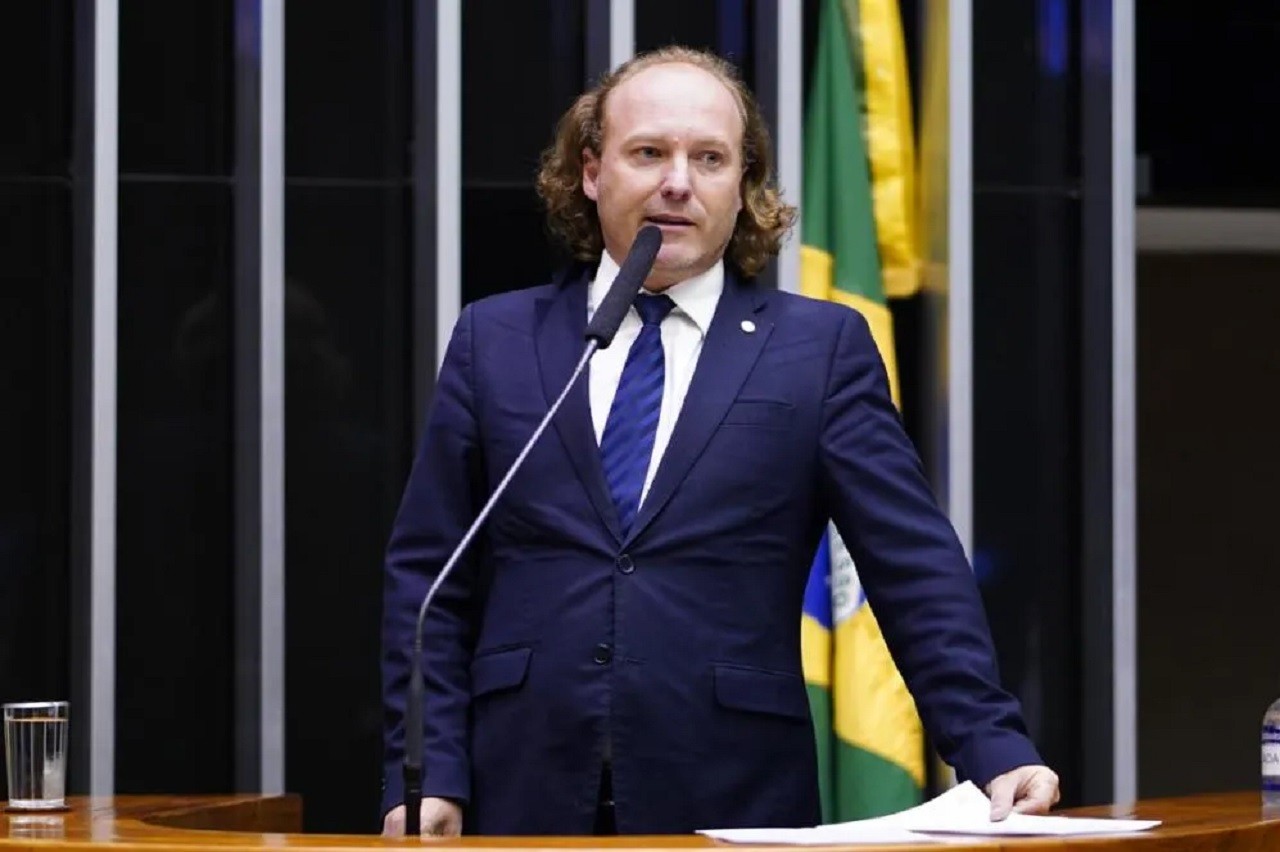
Rodrigo Agostinho, former president of the Brazilian Institute of Environment and Renewable Natural Resources (Ibama) and ex-mayor of Bauru, has announced his pre-candidacy for federal deputy representing São Paulo in the 2026 elections. This move follows his resignation from the Ibama presidency in April, fulfilling electoral requirements for public officeholders. Agostinho, a biologist and lawyer, previously served as mayor of Bauru for two terms (2009-2016) and as a federal deputy from 2019 to 2022, during which he chaired the Environment and Sustainable Development Committee and coordinated the Environmentalist Parliamentary Front. He was appointed to lead Ibama in January 2023 by Minister Marina Silva. Agostinho intends to focus his campaign on representing the interior of São Paulo and advocating for environmental policies. He criticized the National Congress for what he described as a "dismantling" of environmental legislation, citing changes to environmental licensing, and stressed the importance of electing lawmakers committed to environmental issues. The announcement was made at an event in Bauru alongside Minister Marina Silva, who is also a pre-candidate for the Senate in São Paulo. During the event, Silva also addressed U.S. policies and criticized São Paulo Governor Tarcísio de Freitas's remarks questioning her and Planning Minister Simone Tebet's candidacies due to their non-native status in the state, highlighting São Paulo's history of welcoming people from across Brazil.
This announcement highlights the increasing intersection of environmental policy and electoral politics in Brazil. Agostinho's background as a former Ibama president and federal deputy positions him as a candidate with direct experience in environmental governance, aiming to leverage this expertise to address legislative challenges. The context of his pre-candidacy, alongside Minister Marina Silva, suggests a coordinated effort to bolster environmental representation in the legislature, particularly in response to perceived rollbacks in environmental protections. The debate over regional ties and candidacies, as exemplified by Governor Tarcísio de Freitas's comments and Minister Silva's response, reflects broader discussions about representation and political identity in large, diverse states like São Paulo. Looking ahead, the success of such candidacies will likely depend on their ability to mobilize voters around environmental concerns and navigate the complex political landscape, potentially influencing future policy debates on sustainability and resource management.
AI-generated to prompt reflection — not editorial opinion, not advice, not a statement of fact. How this works.