Ex-Lawmaker Eduardo Cunha Suspected of Embezzling Public Funds via Fake Amendment Allocations
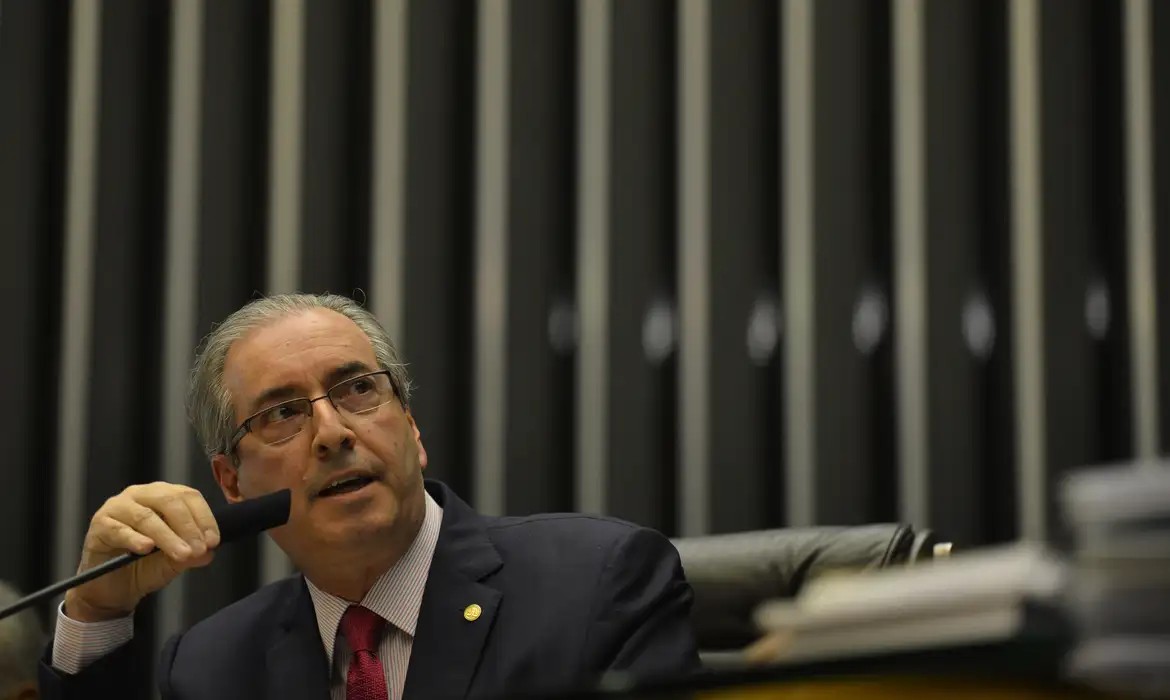
The Federal Police (PF) suspects former congressman Eduardo Cunha (Republicans-MG) of diverting parliamentary amendments, alleging that messages exchanged with a Chamber of Deputies server, Mariângela Fialek, reveal a fabricated process to favor a politician without a mandate. Justice Flávio Dino of the Supreme Federal Court (STF) ordered the freezing of R$6 million belonging to Cunha due to these suspicions. Cunha has denied any wrongdoing, while his defense stated that the funds were allocated to public beneficiaries and that he received no personal gain. Fialek's defense asserts her role was strictly technical, non-partisan, and impersonal, adhering to legal directives regarding amendment organization. The PF's investigation suggests that amendments were 'fraudulently designated' to conceal Cunha's true involvement, with parliamentarians registered as 'solicitors' when the indications originated from him. Messages indicate Cunha's efforts to consolidate political influence in Minas Gerais by directing public funds to cities in the state, even expressing disdain for the region. He also showed concern over the authorship of an amendment, seeking official confirmation to prevent it from being attributed to another politician, Nikolas Ferreira (PL-MG), and to avoid reallocating it. The PF noted Cunha's preoccupation with other politicians, such as Senator Cleitinho Azevedo (Republicans-MG), who also had amendments allocated to Minas Gerais. The investigation also points to requests from Cunha to change the final recipients of funds and address issues with resource limits for specific municipalities like Manhuaçu and Matias Barbosa, with Fialek appearing ready to assist.
This case highlights potential systemic vulnerabilities in the allocation of parliamentary amendments, particularly when individuals without current mandates exert influence. The PF's allegations suggest a possible circumvention of oversight mechanisms designed to ensure transparency and prevent the misuse of public funds. The exchange of messages, if authenticated, points to an incentive structure where political influence might be leveraged to direct resources, potentially bypassing established legislative procedures. The defense's arguments, emphasizing the technical nature of the server's role and the lack of direct personal gain for Cunha, underscore the complexities in distinguishing legitimate political interaction from undue influence. Future reforms could focus on enhancing the traceability of amendment origins and strengthening independent oversight bodies to mitigate such risks, ensuring public funds serve their intended purposes without political entanglement.
AI-generated to prompt reflection — not editorial opinion, not advice, not a statement of fact. How this works.