Ex-Mayor Nogueira Advocates for Municipalism, Cites 'Internet Candidates' Draining Regional Votes
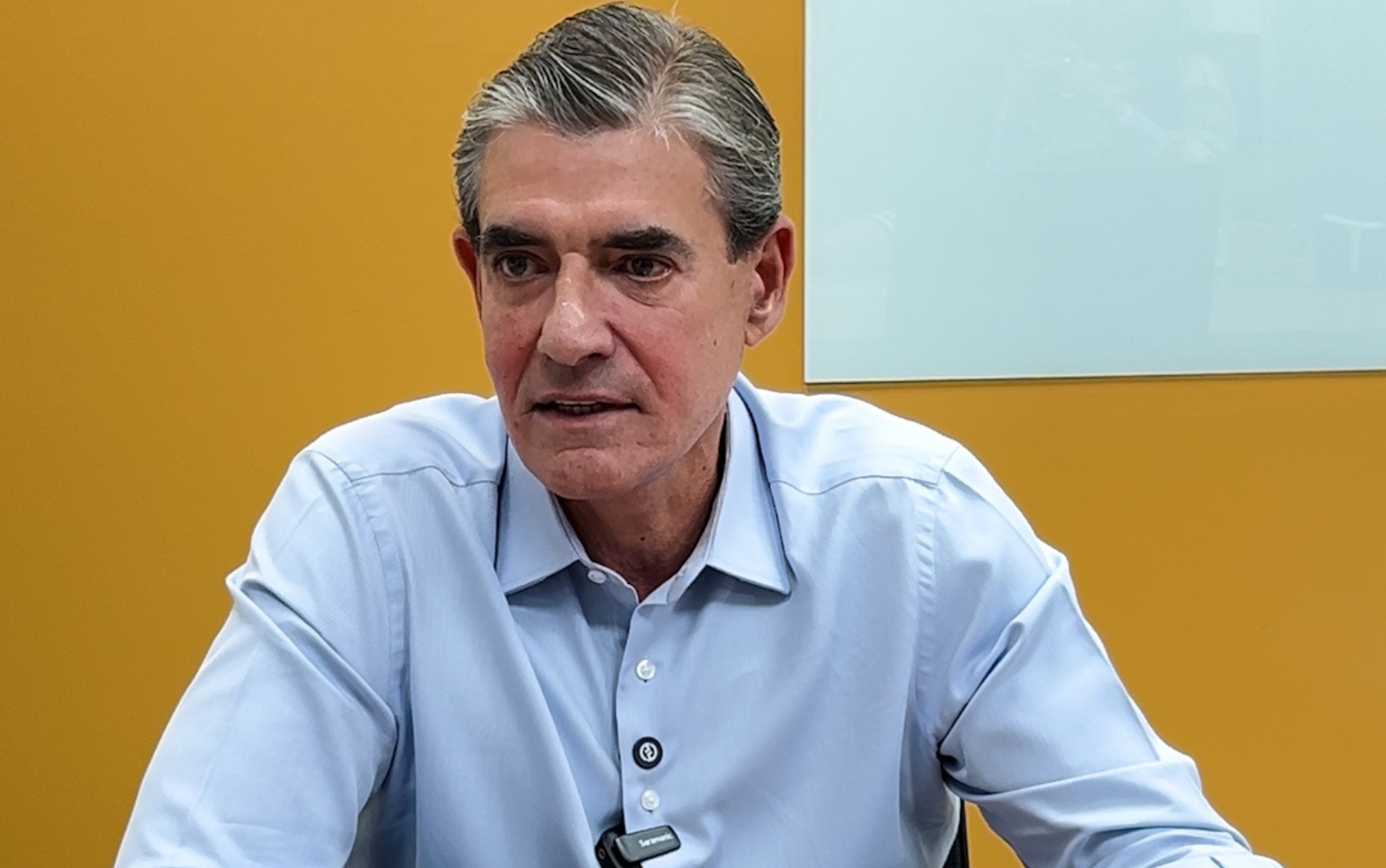
Duarte Nogueira, a former mayor of Ribeirão Preto and current pre-candidate for federal deputy in São Paulo, is championing 'municipalism' and the decentralization of power to local governments. He argues that strengthening cities and municipalizing programs leads to more effective resource allocation and oversight. Nogueira believes that regional representatives who are deeply connected to their communities are essential for securing federal funding and influencing public policy. He observed that cities like São Carlos, Araraquara, and Franca have lost representation in the federal Congress, with votes shifting from regional candidates to those leveraging social media platforms. Nogueira advocates for prioritizing regional candidates to regain political influence. He also stressed the need for complete transparency in public spending, criticizing the anonymity surrounding parliamentary amendments and the 'secret budget' as avenues for corruption. Regarding the agribusiness sector, Nogueira highlighted the importance of debt renegotiation for producers facing high costs and volatile prices, referencing a recent provisional measure offering restructuring options. Finally, Nogueira expressed support for his party's pre-candidate, Ronaldo Caiado, for president, hoping he reaches the second round and is elected.
This political discourse highlights a tension between localized representation and the influence of national-level digital campaigning. Nogueira's emphasis on 'municipalism' suggests a strategy to reconnect constituents with tangible, local governance, potentially as a counter-response to the perceived detachment of online-driven political movements. The critique of 'internet candidates' points to a broader challenge in contemporary politics: how to ensure that elected officials remain accountable to their immediate communities amidst the amplification effects of social media. The call for transparency in parliamentary amendments reflects ongoing debates about accountability and the potential for corruption in public fund allocation. From a future-oriented perspective, the interplay between digital reach and traditional regional representation will continue to shape electoral dynamics, demanding adaptive governance models that balance broad appeal with localized responsiveness.
AI-generated to prompt reflection — not editorial opinion, not advice, not a statement of fact. How this works.