Ex-Minister Tereza Cristina Declines Bolsonaro VP Candidacy
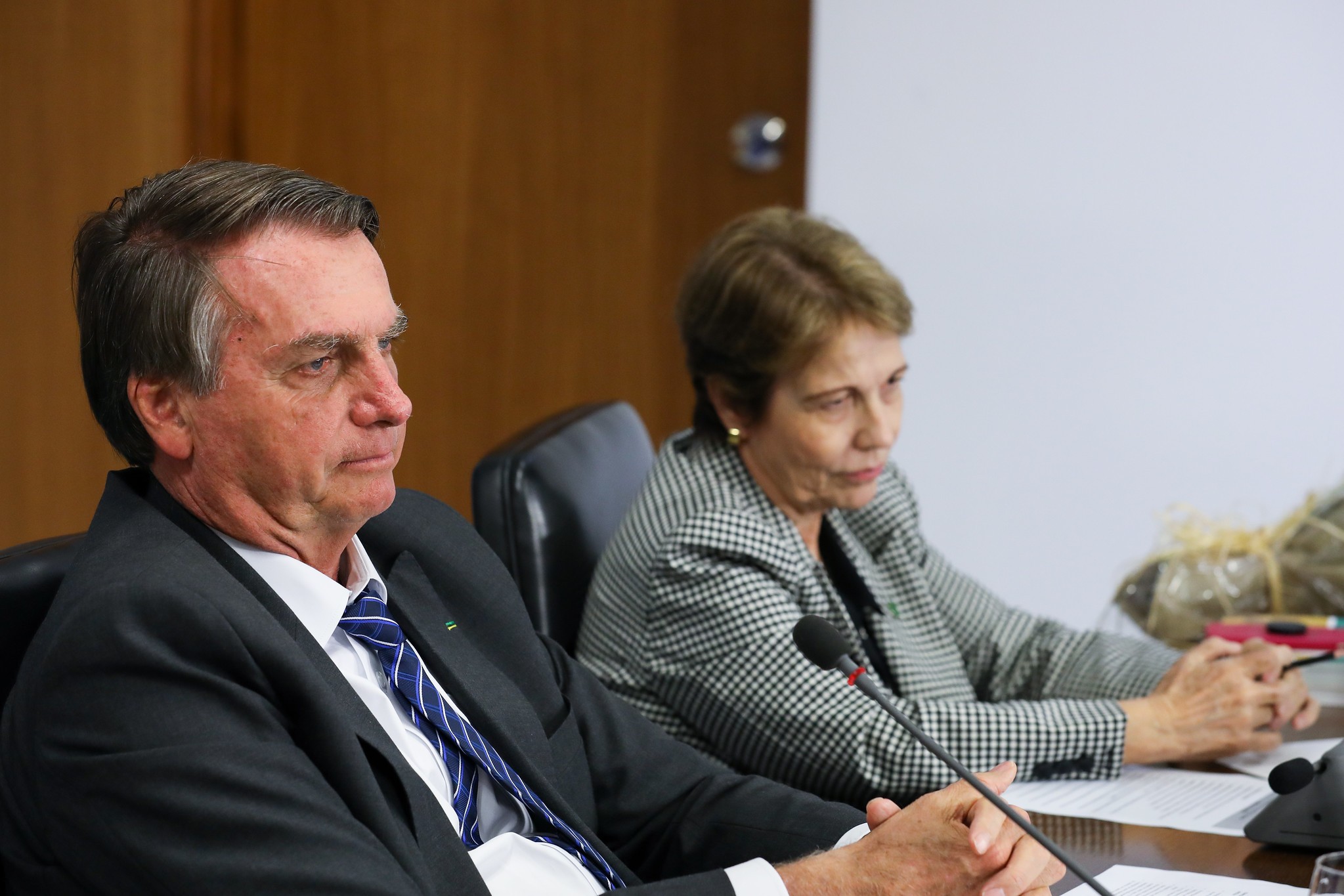
Senator Tereza Cristina, former Minister of Agriculture under Jair Bolsonaro, has declined an offer to be the vice-presidential candidate on Senator Flávio Bolsonaro's ticket. The decision was confirmed by the president of the Liberal Party (PL), Valdemar Costa Neto, following a meeting with Cristina on Tuesday, December 21st. Cristina indicated that her political ambition is to run for the presidency of the Federal Senate in 2027, and she believes a vice-presidential campaign would jeopardize this goal. Flávio Bolsonaro's party is seeking a vice-presidential nominee from parties within the Centrão bloc, including União Brasil, Progressista, and Republicanos, but has faced difficulties securing a candidate. The PL's convention to confirm Flávio as the presidential candidate is scheduled for Saturday, December 25th, in São Paulo. Campaign coordinator Rogério Marinho stated the party will continue pursuing a coalition with the PP-União Brasil federation or the Republicanos until the last minute. Following Cristina's refusal, other potential vice-presidential candidates from the PP include federal deputies Simone Marchetto and Clarissa Tercio. For the Republicanos, Daniela Ribeiro, former president of Caixa Econômica Federal and special advisor to Economy Minister Paulo Guedes, is being considered. The Centrão parties are currently leaning towards neutrality, partly due to regional electoral challenges and dissatisfaction from PP president Senator Ciro Nogueira with Flávio Bolsonaro. Nogueira reportedly feels unsupported by Bolsonaro's son regarding a Federal Police investigation. The Republicanos also cite regional conflicts, where the PL in some states refuses to back their viable candidates.
The strategic maneuvering around Flávio Bolsonaro's vice-presidential selection highlights the complex interdependencies within Brazil's political landscape. The reluctance of potential candidates and parties like the PP and União Brasil to commit reflects a calculated assessment of electoral viability and potential future political capital, particularly in light of regional power dynamics and past grievances. The situation underscores the challenges of coalition-building in a fragmented political system, where individual ambitions, such as Senator Cristina's pursuit of the Senate presidency, can outweigh immediate party objectives. As Brazil navigates its political future, understanding these intricate alliance formations and the underlying incentives driving them will be crucial for predicting electoral outcomes and the stability of potential administrations.
AI-generated to prompt reflection — not editorial opinion, not advice, not a statement of fact. How this works.